






















High-Deductible Health Plans Under Scrutiny Amidst Rising Medical Debt
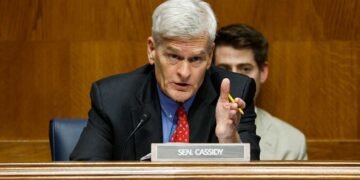
In a significant shift in the healthcare debate, Senator Bill Cassidy of Louisiana has proposed an alternative to the Affordable Care Act (ACA) subsidies by suggesting that government funds be deposited directly into Americans’ health savings accounts. This proposal arrives at a time when many Americans, like Sarah Monroe from Cleveland, are grappling with overwhelming medical debt due to high-deductible health plans.
Why It Matters
As healthcare costs continue to escalate, millions of Americans are left to navigate a complex system where high deductibles mean they must pay thousands out of pocket before insurance coverage activates. The implications of Cassidy’s proposal could reshape how health benefits are structured, potentially offering a temporary relief for cash-strapped families while raising questions about the effectiveness of such plans in reducing overall healthcare costs.
Key Developments
- Policy Proposal: Cassidy’s plan suggests using government funds to bolster health savings accounts instead of expanding ACA subsidies.
- High Deductible Plans: Millions of Americans are enrolled in plans that require them to pay high out-of-pocket costs before receiving insurance coverage.
- Real-Life Impact: Case studies, notably Sarah Monroe’s, highlight the human toll of medical debt, particularly among those with high-deductible plans.
- Economic Concerns: The increasing financial strain on families raises broader questions about the sustainability of these plans amid rising healthcare costs.
Full Report
The Personal Toll of Medical Debt
Sarah Monroe’s middle-class existence was shattered after a diagnosis of a serious heart condition during her twin pregnancy. Despite having health insurance through her employer, she found herself overwhelmed by over $13,000 in medical bills. Like many others, Monroe was enrolled in a high-deductible health plan, which is now under renewed scrutiny as healthcare costs soar.
Many Americans with high-deductible plans face the daunting challenge of covering large medical expenses before their insurance kicks in. Recent remarks from Cassidy emphasize patient empowerment, arguing that giving individuals control over their health spending can lower overall costs. “A patient makes the decision,” he stated, promoting a system where patients choose lower-cost options on the ACA marketplace.
Challenges in Price Shopping and Care Quality
Experts caution that the premise behind high-deductible plans—that consumers will actively seek cost-effective care—largely fails in practice. Research indicates only a small percentage of healthcare spending can realistically be planned or compared, particularly for individuals dealing with serious health issues. As oncologist Fumiko Chino pointed out, patients facing critical diagnoses often lack the bandwidth to shop around for the best prices.
Monroe found that, despite having a health savings account, her savings fell short in covering her significant medical expenses. This experience reflects a wider trend where families are squeezed financially by prohibitive medical costs, despite their insurance status.
Consequences for Families
The burden of medical debt is palpable, with many families suffering financially. Monroe’s struggles forced her to downsize from her home to a cramped apartment, damage her credit score, and even face vehicle repossession—all consequences of the medical debts she incurred.
“I owe it to myself to do it a different way,” Monroe stated, criticizing the current high-deductible model and highlighting the need for a more compassionate approach to healthcare.
Context & Previous Events
The rise of high-deductible health plans began two decades ago, fueled by a backlash against the limitations of health maintenance organizations (HMOs). These plans were introduced under the belief that they would enable individuals to adopt more cost-effective healthcare choices. However, the reality has become a growing number of insured individuals facing debilitating debt, with nearly 100 million Americans now reporting some form of health care debt.
The ongoing healthcare debate, particularly from Republican lawmakers, continues to focus on reforming subsidies and incentivizing individual responsibility in healthcare spending, but the complexities of patient needs remain a critical challenge.






