






















Satellite Reflections Threaten Future Space Telescope Imaging
A recent study led by NASA reveals that reflections from an increasing number of satellites orbiting Earth could compromise more than 95% of images captured by space telescopes over the next decade. This alarming trend threatens to obscure important astronomical data as light from these satellites manifests as streaks across images, deteriorating the quality of critical scientific observations.
Why It Matters
The growing prevalence of satellites poses significant concerns for astronomers and the scientific community. With over 10,000 active satellites currently in orbit—and many more planned—this phenomenon not only affects the capabilities of space telescopes but could also hinder our understanding of the cosmos, impairing essential discoveries in astrophysics and beyond.
Key Developments
- A NASA-led study forecasts over 90% of space telescope images could be marred by satellite reflections within ten years.
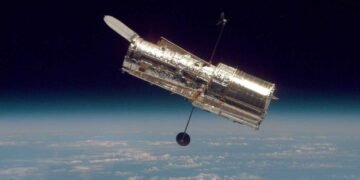
- NASA’s Hubble Space Telescope has already shown evidence of these satellite trails.
- Other upcoming telescopes like SPHEREx, ARRAKIHS, and China’s Xuntian may see a staggering 96% of their images affected.
- More satellites have been launched in the last four years than during the previous 70 years combined.
- Experts predict at least one in three images from Hubble will exhibit some satellite interference.
- The International Telecommunication Union (ITU) has expressed the need for stricter regulations regarding satellite launches.
Full Report
Increasing Number of Satellites
Reflections from satellites are becoming a significant issue as satellite populations rapidly increase. Alejandro S. Borlaff, the lead author of the study, noted that during the past four years alone, more satellites were launched than in the previous seventy years of space exploration. As of December 1, over 10,000 active satellites, largely driven by SpaceX’s Starlink initiative, are present in orbit.
The Impact on Astronomy
The anticipated fallout from this boom in satellite numbers is particularly concerning for astronomical research. Borlaff emphasized that valuable observations, such as a distant supernova, could be forever lost if a satellite crosses the field of view during crucial observational periods. The anticipated rise in satellite interference could lead to at least one-third of Hubble’s images carrying light streaks from these orbiting objects.
Community Concerns
The American Astronomical Society (AAS) has raised alarms regarding these ramifications. AAS Deputy Director Roohi Dalal stated that collaboration with government and industry is crucial to address the impacts of large satellite constellations on astrophysics. Efforts to mitigate light pollution are underway, with companies like SpaceX testing darker coatings and sun-blocking visors to lessen reflections.
Calls for Regulation
The ITU has underscored that the surge in satellite deployments presents significant risks, including potential collisions and increased space debris. They advocate for enhanced international guidelines to better manage satellite launches and mitigate their impact on orbital environments.
Context & Previous Events
In a previous study published in Nature Astronomy in 2023, researchers documented that about 4% of Hubble’s images from 2018 to 2021 were affected by satellite reflections. This marked a concerning trend, and with projections indicating that number could rise dramatically, the stakes for astronomical research have never been higher.






