






















Somali Community in Minnesota Faces Renewed Scrutiny Amid Controversial Claims
In Minnesota, home to the largest Somali population in the United States, the community is under fire following recent comments from President Donald Trump. The President’s remarks, which accused Somali Minnesotans of welfare abuse and immigration fraud, have reignited national discussions about the integration of immigrant populations, particularly in a state known for its Scandinavian roots.
Why It Matters
The accusations serve as a flashpoint for debates surrounding immigration, community integration, and the socioeconomic challenges that many Somali residents face. As the rhetoric intensifies, it raises questions about the broader narrative surrounding immigrant contributions and the realities of life in Minnesota for this community.
Key Developments
- President Trump labeled Somali immigrants as "welfare abusers" during a recent speech, claiming they have defrauded the state out of billions.
- These comments have sparked backlash not only from community leaders but also among Somali residents, who argue that the actions of a few do not represent the entire population.
- Current estimates suggest that Minnesota’s Somali community has grown to between 80,000 and 160,000 individuals, largely due to civil unrest in Somalia during the 1990s.
- Despite facing stereotypes and challenges, Somalis in Minnesota have established successful businesses and have integrated into various sectors, including healthcare and transportation.
Full Report
Community Under Scrutiny
In his comments, Trump has reiterated allegations against specific members of the Somali community, including claims regarding immigration fraud related to U.S. Representative Ilhan Omar. In response, many residents express frustration over being unfairly labeled because of the actions of a small minority involved in criminal activities.
The discussion has intensified with news of a significant COVID-19-related fraud scheme that has been characterized as the largest in U.S. history, further bringing negative attention to the community.
Local Dynamics
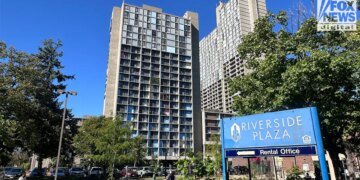
Cedar-Riverside, a neighborhood in Minneapolis known informally as "Little Mogadishu," is home to a dense population of Somali residents. The area has seen demographic shifts and cultural transformations but also faces challenges related to economic decline. Local advocates argue that despite the negative headlines, many Somalis contribute positively to the local economy, operating restaurants, businesses, and participating in civic life.
The area, however, has recently experienced signs of wear, with shuttered storefronts and a quieter atmosphere reflecting broader socioeconomic issues. Yet, the community continues to celebrate its cultural identity, with mosques and East African restaurants serving as gathering places.
Faith and Politics
The role of faith in Somali life serves as a unifying force, helping community members build connections in their new home. Jaylani Hussein, executive director of CAIR–Minnesota, emphasized that many Somali families work diligently, often holding multiple jobs, yet face significant economic challenges.
While about 36% of Somali Minnesotans lived below the poverty line between 2019 and 2023, the community is also home to entrepreneurs making strides in various industries.
Karmel Mall: A Cultural Hub
Karmel Mall represents the beating heart of the Somali community, housing over 200 businesses and functioning as a vibrant social center. Interviews with shoppers reveal a sense of pride in the community’s resilience and the opportunities available in the United States.
Amid this socioeconomic fabric, Somali Americans are navigating their identities within the larger American landscape, often facing challenges such as cultural stereotypes and integration struggles.
Context & Previous Events
Minnesota’s Somali population began to grow significantly in the 1990s as a result of the civil war in Somalia, leading to a wave of refugee resettlement. Initially, the community faced obstacles related to integration and assimilation but has demonstrated adaptability over the decades. As discussions about immigration and welfare continue to evolve, Somali Minnesotans stand at the center of this national conversation, advocating for understanding while working to reshape their narratives within society.






