






















74-Year-Old Texas Woman Sentenced for Distributing Lethal Fentanyl Doses
A 74-year-old woman from Texas has been sentenced for her involvement in distributing approximately 150,000 doses of fentanyl, following an undercover investigation by federal authorities. Patrica Parker, a former nursing professional, is now facing two years of probation, which includes nine months of home confinement, despite her claims of ignorance regarding the dangerous contents of her packages.
Why It Matters
This case underscores the alarming trend of drug distribution among individuals traditionally viewed as trustworthy members of society. As the opioid crisis continues to escalate, the involvement of individuals with professional backgrounds in drug-related crimes raises questions about awareness and responsibility in combating drug abuse and trafficking.
Key Developments
- Patrica Parker pleaded guilty to conspiracy charges related to fentanyl distribution, involving over 310 grams of the substance.
- She received a two-year probation sentence, with nine months mandated for home confinement.
- The investigation revealed that Parker was engaged in mailing counterfeit pills mixed with fentanyl, which were sent to an undercover Food and Drug Administration (FDA) agent in 2022.
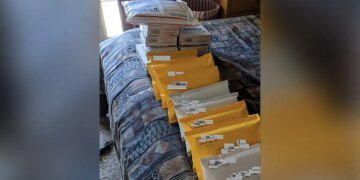
- Authorities uncovered over 18,000 pills, including Adderall, oxycodone, and diazepam, and linked her to over a thousand suspected illegal drug parcels.
- Parker’s attorney contended that financial difficulties stemming from the COVID-19 pandemic led to her illegal activities, describing them as a "side hustle."
Full Report
Undercover Operation and Charges
Parker’s case emerged after authorities conducted an undercover operation where she attempted to distribute counterfeit amphetamine pills containing fentanyl. The investigation revealed a disturbing pattern in which Parker received large shipments of illicit drugs from overseas, repackaging them for distribution within the United States.
Despite her plea of ignorance about the nature of the drugs she was mailing, prosecutors argued that Parker, as an educated adult, should have recognized the inherent dangers associated with her actions. The court’s sentencing memo highlighted the severe risks posed by her operation, characterizing her living environment as akin to a makeshift pharmacy.
Personal Impact and Legal Response
In a letter addressed to the presiding judge, Parker expressed deep regret, stating that her actions were contrary to her lifelong values. She insisted that she would never have willingly participated in drug distribution if she had known about the presence of fentanyl. Parker acknowledged a lapse in judgment, admitting, "I should have inquired what it was, so that was my own doing. I see that in retrospect, but that fact haunts me to this day."
Context & Previous Events
Following the aftermath of COVID-19, Parker’s legal challenges were compounded by economic hardship, which reportedly drove her to participate in illegal drug distribution as a means of financial survival. The ongoing opioid crisis has seen a troubling rise in overdose deaths, particularly among older adults, exacerbating the urgency of addressing such illicit activities.






