






















GOP Hearing in NYC: A Focus on Trump Amid Claims of Rising Crime
The GOP-controlled House Judiciary Committee is set to hold a hearing in New York City titled "Victims of Violent Crime in Manhattan," led by Rep. Jim Jordan, a close ally of former President Donald Trump. The hearing aims to scrutinize Manhattan District Attorney Alvin Bragg’s policies, which the committee argues have exacerbated violent crime. However, Bragg’s office refutes these claims, citing data that indicates a reduction in crime rates in Manhattan.
Why It Matters
The upcoming hearing has raised concerns about the motivations behind the GOP’s focus on crime in Manhattan, particularly as it coincides with ongoing legal issues faced by Trump. Critics, including Bragg, have denounced the hearing as a political maneuver rather than a genuine effort to address public safety. This situation highlights the intersection of politics and legal accountability within the current judicial landscape.
Key Developments
-
Hearing Announcement: The House Judiciary Committee plans to investigate claims of rising violent crime attributed to Bragg’s policies, despite data indicating a decrease in various crime categories in Manhattan.
-
Bragg’s Response: The District Attorney’s office described the hearing as a "political stunt" and pointed to contrary crime statistics from the New York Police Department.
-
Trump’s Legal Troubles: The hearing occurs in the context of Trump’s recent criminal charges related to a hush-money payment, alongside ongoing investigations into his actions surrounding the 2020 election and classified documents.
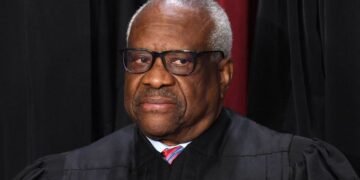
- ProPublica Reports on Justice Thomas: Critics have noted the Committee’s neglect of pressing ethics concerns involving Supreme Court Justice Clarence Thomas, who is under scrutiny for undisclosed financial dealings with a GOP megadonor.
Full Report
Hearing Focus
On Monday, the House Judiciary Committee will hold a field hearing in New York, describing it as an investigation into the alleged rise in violent crime that they attribute to the policies implemented by Manhattan District Attorney Bragg. The committee aims to present testimony from purported victims of violent crime. However, Bragg contends that crime rates in the area have declined, contradicting the committee’s assertions.
In reaction to this development, Bragg’s office labeled the hearing a mere "political stunt." They referenced NYPD data indicating a drop in incidents such as murders, burglaries, and robberies for the year.
Trump Administration Links
The timing of the hearing appears closely linked with Trump’s current legal challenges. Recently, he was indicted by a Manhattan grand jury on 34 felony counts related to financial misconduct involving a hush-money payment to an adult film actress. Trump has entered a not guilty plea and faces additional legal inquiries in other jurisdictions.
In an earlier strategic move, Bragg’s office filed a federal lawsuit against Jordan and the Judiciary Committee, alleging an “intimidation campaign” seeking to undermine Trump’s prosecution by demanding confidential documents and witness testimony.
Ethics Concerns Surrounding Judge Thomas
Notably absent from the Committee’s agenda are recent revelations regarding Justice Clarence Thomas, whose financial ties to billionaire Harlan Crow have raised ethical questions. Reports from ProPublica disclosed that Thomas failed to disclose extravagant vacations funded by Crow and did not report a 2014 property sale to him, potentially breaching federal disclosure laws. Despite these serious allegations, the House Judiciary Committee has not issued any statements or taken action regarding Thomas.
Context & Previous Events
The House Judiciary Committee has historically undertaken investigations related to judicial misconduct, such as in 2010 when Judge G. Thomas Porteous Jr. faced impeachment for multiple infractions, including making false statements and accepting unlawful gifts.
In contrast, the Senate Judiciary Committee recently announced plans to hold hearings focused on ethical standards within the Supreme Court following the troubling reports regarding Justice Thomas. Democratic leaders are exploring the possibility of referring Thomas to the Attorney General for potential violations of ethics laws.
These unfolding events illustrate the current tensions between political narratives and judicial oversight, as well as the implications for public trust in both the legislative and judicial branches.