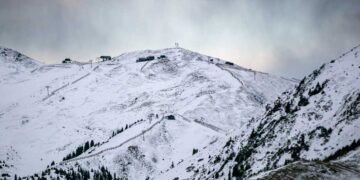























Ski Resorts Face Uncertain Season Amidst Weather and Political Climate
With Thanksgiving marking the traditional kick-off to ski season, resorts across the West are grappling with an unusual lack of snow, leading to delayed openings and heightened anxiety in the tourism sector. Many areas, including Whitefish Mountain Resort in Montana, are left brown and barren, challenging the industry’s stability going into the winter months.
Why It Matters
The ski industry, a significant revenue source for many small towns, relies heavily on winter tourism, particularly from international visitors. With unpredictable weather patterns and ongoing political tensions affecting cross-border travel, the potential economic repercussions could be substantial for local economies that depend on these seasonal visitors.
Key Developments
- Whitefish Mountain Resort has seen low snowfall, prompting concerns about this season’s attendance and bookings.
- Resorts have delayed openings due to minimal natural snow and warm temperatures making artificial snow production impossible.
- The Canadian visitor rate is down approximately 25% due to recent tariffs and political tensions from U.S. leadership, impacting local businesses significantly.
- Local initiatives like the “Welcome Back Canada” campaign in Kalispell aim to attract Canadian tourists with discounts and promotions.
- Despite the drop in Canadian tourists, a rise in domestic visits has provided some short-term relief for areas like Whitefish.
Full Report
Weather Challenges
As ski patrollers at Whitefish Mountain Resort prepared for the upcoming season, their tasks included standard safety drills, yet the lack of snow left them without the typical winter scene. Resort spokesman Chad Sokol expressed that the absence of snow could significantly impact the season, a sentiment echoed across other ski areas as several have postponed their openings.
Though recent weather patterns indicate that snow has started to fall in some locations, concerns linger as ski resorts, particularly those in the Rockies and Pacific Northwest, continue to monitor conditions closely. The traditional Thanksgiving holiday, known for signaling the start of winter sports, has resulted in anxiety among resort operators and the local tourism sector.
Impact of Political Climate
The economic landscape for resorts like Whitefish has been additionally complicated by political factors. The U.S. Travel Association predicts a decline of 5 million international visitors this year, with many citing U.S. policies, including tariffs imposed by President Trump, as a deterrent. These tariffs have contributed to a noticeable drop in Canadian visitors, a vital market for many mountain resorts.
Zak Anderson, executive director of Explore Whitefish, noted that relationships with Canadian visitors are crucial, indicating that their absence is felt deeply within the community. Local businesses, particularly upscale boutiques and hotels, have also reported diminished Canadian credit card spending.
Local Responses
To counteract the downturn in Canadian tourism, small towns near ski areas are launching initiatives to attract visitors back. In Kalispell, Mont., the local chamber of commerce has introduced a “Welcome Back Canada” program offering significant discounts to Canadian travelers. General Manager Mitchell Bump of the Kalispell Grand Hotel welcomed this initiative, expressing that the town’s economic well-being hinges on maintaining year-round tourist traffic.
Meanwhile, although the recent winter season may appear shaky, local officials remain cautiously optimistic. Bolstered by a surge in domestic tourists, Whitefish’s upcoming Christmas season bookings are reportedly looking solid, even as community leaders grapple with the uncertainty of future visits and the volatile political climate.
Context & Previous Events
Historically, Canadian visitors accounted for a substantial portion of winter tourism in Montana, but the recent political climate has disrupted this trend, notably following the tariffs enacted by President Trump. Survey results from Longwoods International indicate that many Canadians are reconsidering their travel plans to the U.S. based on such diplomatic tensions and negative sentiments.
As the ski industry navigates these challenges, the outcome of the winter season remains uncertain amid a backdrop of fluctuating political sentiments and challenging weather conditions.






