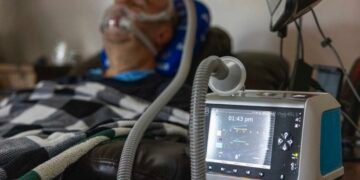























Ventilator Access Crisis: Challenges Faced by ALS Patients in the U.S.
As the need for advanced medical equipment grows among patients with conditions like ALS, significant obstacles within the U.S. healthcare system threaten their survival and quality of life. A recent investigation reveals alarming gaps in care and the difficulties faced by those reliant on ventilators, such as bureaucratic delays and lack of local facilities.
Why It Matters
The challenges faced by ventilator-dependent patients stem from a fragmented healthcare system that often prioritizes cost-cutting over patient care. Insurers frequently impose stringent requirements for advanced medical devices, leaving many families struggling to secure necessary equipment and appropriate care options. The implications extend beyond individual patients; they raise questions about the adequacy of care for vulnerable populations and the systemic flaws in healthcare delivery.
Key Developments
- ALS patients often require mechanical ventilation, with insurers sometimes denying coverage for these life-sustaining machines.
- Specialized nursing facilities for ventilator care are scarce; 15 states lack any nursing homes capable of providing this essential service.
- Insurance policies can impose "fail first" mandates, requiring patients to attempt less effective devices before allowing access to ventilators, which can worsen their condition.
- Individuals like Derek McManus have successfully appealed insurers’ decisions, yet many remain unaware of their options or lack the energy to pursue them.
Full Report
Barriers in the Healthcare System
Many patients reliant on ventilators due to conditions such as ALS, spinal cord injuries, or strokes face a healthcare landscape filled with challenges. These individuals often experience significant delays in obtaining advanced medical equipment — critical in managing their respiratory needs. In the case of Derek McManus, an ALS patient, his insurer initially refused to provide a ventilator, citing a lack of evidence that other devices had failed. After appealing, an independent reviewer ordered the insurer to supply the necessary equipment, highlighting the bureaucratic hurdles that many face.
Lack of Availability in Nursing Homes
Finding nursing homes equipped to handle ventilator care presents another major challenge. A recent analysis determined that only about 347 of the nation’s roughly 14,750 nursing homes have specialized ventilator units. In Missouri, where ALS patient Michael DiPlacido sought care for his father, no local facilities were available, forcing the family to look out of state. This trend indicates systemic deficiencies, as patients cannot find appropriate care close to home and often endure additional stress in a healthcare crisis.
Undue Financial Burdens
The financial implications associated with obtaining necessary care are staggering. Patients frequently spend tens of thousands of dollars out-of-pocket on private nursing care when insurers deny approval for essential medical devices. Families can become overwhelmed by the costs, as seen with David Goldstein, who along with his ex-wife, spent around half a million dollars on care after struggling to navigate the bureaucracy of Texas Medicaid. This situation is unsustainable for many, ultimately exacerbating the emotional and financial stress during an already challenging period.
Alternative Models of Care
Some innovative models, like the Leonard Florence Center for Living in Massachusetts, offer hope for a better way to care for ventilator-dependent individuals. This facility provides an alternative to traditional nursing homes, focusing on smaller, community-like living situations. Residents enjoy more autonomy and access to advanced technology, supporting their independence and enhancing their quality of life. However, such models are not widespread, and their funding is often insecure.
Context & Previous Events
Historically, patients reliant on ventilators have faced inconsistent reimbursement policies across state Medicaid programs. Less than half of these programs provide adequate financial support for ventilator patients; many do not incentivize nursing homes to improve patient outcomes. As a result, numerous patients remain isolated and vulnerable, waiting for access to essential care that remains just out of reach.
The ongoing struggles of ALS patients and others in need of ventilator support paint a troubling picture of the U.S. healthcare system. As calls for reform grow louder, the consequences of inaction can be dire, leaving the most vulnerable patients to navigate an increasingly complex and often inaccessible landscape.






