






















U.S. Government Suspends Immigration from Afghanistan Following DC Shooting Incident
The U.S. government has announced an indefinite halt to immigration from Afghanistan and will review green cards issued to citizens from 19 countries. This decision follows the shooting of two National Guard members by a suspected Afghan gunman in Washington, D.C., which has sparked renewed security concerns and criticism surrounding prior immigration policies.
Why It Matters
This response underscores the tension between national security and immigration policy in the U.S. The incident highlights the potential risks associated with admitting foreign nationals, particularly from regions deemed high-risk. Officials assert the necessity to reassess immigration protocols to enhance safety for American citizens.
Key Developments
- The White House confirmed the suspension of immigration from Afghanistan.
- Joseph Edlow, Director of U.S. Citizenship and Immigration Services (USCIS), announced a thorough review of green cards for individuals from 19 identified countries.
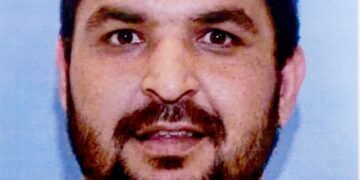
- The suspect, Rahmanullah Lakanwal, 29, is reportedly a former member of a CIA-backed unit in Afghanistan and entered the U.S. under a program for Afghans who aided U.S. forces.
- As a result of the shooting, President Trump criticized the previous administration for immigration policies he deemed reckless.
Full Report
Incident Overview
The shooting incident occurred in Washington, D.C., where Lakanwal allegedly opened fire, injuring National Guard members Andrew Wolfe, 24, and Sarah Beckstrom, 20, the latter of whom succumbed to her injuries. Authorities have described Lakanwal as a "lone gunman," with Attorney General Pam Bondi asserting that the attack was unprovoked.
Government Response
In light of this event, Edlow stated on X (formerly Twitter) that, per President Trump’s directive, there will be a "full scale, rigorous re-examination" of green cards issued to individuals from Afghanistan and 18 other countries identified in a presidential proclamation from June. These countries include those facing full immigration restrictions, such as Iran, Libya, and Somalia, along with countries facing partial restrictions, like Cuba and Venezuela.
Statements from Leaders
President Trump characterized Lakanwal as a “savage monster” and criticized the Biden administration for allowing such individuals into the country under Operation Allies Welcome, aimed at assisting Afghan allies. He claimed this event highlights a broader security failure and called it a glaring example of the dangers posed by unvetted immigration.
Context & Previous Events
The June proclamation aimed to enforce strict entry restrictions from several countries identified as security risks. Immigration from Afghanistan had previously been a point of focus following the U.S. withdrawal in 2021, leading to various programs designed to assist those who supported American military efforts. Lakanwal’s arrival in the U.S. was facilitated under these initiatives, illustrating the ongoing challenges of balancing humanitarian efforts with national security.