






















Analysis of Increasing Ties Between Democratic Socialists and Foreign Influence
Recent events in Minneapolis following the death of local resident Alex Pretti at the hands of federal agents have sparked significant protests, with the Democratic Socialists of America (DSA) taking a prominent role. This has raised concerns about the organization’s rhetoric and its alignment with foreign anti-U.S. narratives as documented in a new report.
Why It Matters
The implications of the DSA’s actions and messaging are far-reaching, particularly as the organization gains political traction in the U.S. The intertwining of domestic protests with narratives aligned to foreign adversaries could potentially destabilize public trust in U.S. institutions and law enforcement agencies.
Key Developments
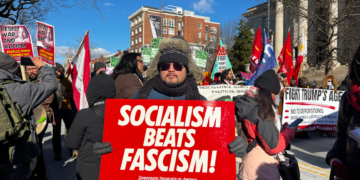
- Incident in Minneapolis: Protests erupted after the fatal shooting of Alex Pretti by ICE agents, with notable involvement from protesters including individuals affiliated with the DSA.
- Rhetorical Tactics: The DSA’s actions encompassed labeling the shooting a "murder" and organizing events to disrupt federal operations, including those at local retailers.
- National Influence: The DSA’s rhetoric included comparisons of the Trump administration to fascism, mirroring sentiments often echoed by hostile foreign countries.
- Network Contagion Report Findings: A report from the Network Contagion Research Institute details that the DSA’s narratives reflect anti-U.S. propaganda tactics, showing intentional alignment with foreign adversaries like Venezuela and China.
- Upcoming Congressional Hearing: The House Ways and Means Committee is set to investigate these findings, focusing on potential foreign influence in U.S.-based nonprofit organizations.
Full Report
Background of Protests
Following the shooting of Alex Pretti, demonstrators, including a DSA member identified as "Andrew," rallied in Minneapolis, calling for an end to ICE operations. The local DSA chapter organized protests, utilizing strong language that equated local law enforcement to oppressive regimes. This included a specific demonstration at a Target store where protesters demanded corporate accountability regarding ICE’s actions.
Messaging Strategies
The DSA’s rhetoric has increasingly adopted language similar to that used by foreign adversaries. As per the report by the Network Contagion Research Institute, the organization has employed messaging strategies that undermine American institutions, paralleling narratives typically seen in hostile foreign media. Adam Sohn, co-founder of the Institute, noted that the DSA’s framing of state enforcement aligns closely with the portrayals used to delegitimize U.S. actions abroad.
International Links
The DSA has been reported to engage in "narrative convergence," where domestic activism for causes such as anti-ICE sentiments is linked to broader geopolitical narratives. The organization has sent delegations abroad, reportedly engaging with regimes that challenge U.S. policies, further enabling a cross-pollination of rhetoric.
National Security Concerns
The report underscores serious national security considerations, noting that the DSA uses similar narratives to delegitimize state enforcement as those used to defend foreign regimes. There are calls for attention to potential foreign influence within U.S. organizations, particularly as the DSA grows in visibility and political power.
Congressional Testimony
Adam Sohn, among other experts, will testify before Congress regarding these findings. The hearing will delve into the implications of these connections and their possible ramifications on U.S. domestic policy and national security.
Context & Previous Events
Past protests organized by the DSA have employed parallels between U.S. law enforcement and global authoritarian regimes, increasing scrutiny of their alignment with anti-U.S. sentiments. The organization’s substantial international engagements, including trips to countries governed by socialist regimes, have fueled dialogue regarding their influence in U.S. discourse.
As these protests continue, the DSA’s strategies and messaging will be closely monitored for their impact on the political landscape, and their relationship with foreign narratives may prompt further legislative scrutiny.






