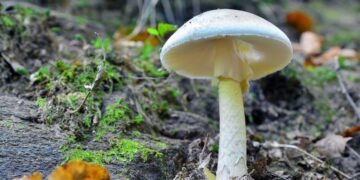























Poisonous Death Cap Mushrooms Claim Four Lives in California
In a troubling series of events in California, four individuals have died after consuming toxic Death Cap mushrooms, which have proliferated following a wet winter. Public health officials are now urging residents to refrain from mushroom foraging as reports of poisoning cases continue to rise.
Why It Matters
The emergence of Death Cap mushrooms poses a serious health threat, highlighting the dangers of foraging for wild mushrooms that may resemble safe varieties. The rapid increase in mushroom poisoning cases, vastly exceeding typical annual figures, underscores the critical need for public awareness and caution, particularly among those unfamiliar with mushroom identification.
Key Developments
- Four fatalities have been linked to the consumption of Death Cap mushrooms in California.
- Three additional individuals are awaiting liver transplants as a result of mushroom poisoning.
- Since November 18, more than three dozen cases of mushroom poisoning have been reported, overshadowing the usual count of fewer than five cases annually.
- Victims have ranged in age from 19 months to 67 years.
- Areas affected include local and national parks across Northern California and the Central Coast, with clusters noted in Monterey and the San Francisco Bay regions.
Full Report
Health Risks and Symptoms
Death Cap mushrooms, scientifically known as amanita phalloides, bear a resemblance to commonly consumed varieties such as Caesar’s and Paddy Straw mushrooms. According to the California Poison Control System, symptoms of poisoning can appear several hours post-ingestion and typically include severe vomiting, diarrhea, and abdominal pain. In severe scenarios, symptoms may return days later, potentially resulting in death due to kidney or liver failure.
Personal Accounts
Laura Marcelino, a mother from Salinas, recounted her family’s experience with the deadly fungus. Believing they had foraged safely, she and her husband gathered mushrooms that looked similar to those from their native Oaxaca, Mexico. “We thought it was safe,” Marcelino shared in an interview. After consuming the mushrooms, her husband began experiencing dizziness and fatigue. The following day, both developed severe vomiting, leading to Marcelino spending five days in the hospital while her husband required a liver transplant.
State Officials’ Response
In response to the alarming rise in poisoning incidents, the California state health department has issued health warnings advising against mushroom foraging. Craig Smollin, a medical director at the California Poison Control System, noted that although Death Cap mushrooms typically flourish between November and March, the current situation is unprecedented in scale.
Context & Previous Events
Traditionally, California sees less than five reported cases of mushroom poisoning annually. However, since mid-November, over three dozen cases have emerged, significantly raising concerns about public safety related to foraging practices as more people venture into parks to gather wild mushrooms.






