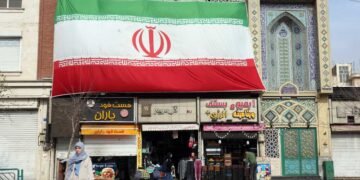























High-Stakes U.S.-Iran Talks Loom as Tensions Rise
The United States and Iran are set for crucial negotiations in Oman today regarding Iran’s nuclear program, a discussion underscored by increasing military posturing from Washington. The stakes are high; if an agreement is not reached, military action from the Trump administration could be on the table.
These talks come at a critical juncture, as Iran finds itself under pressure from various fronts. The implications of this negotiation extend beyond mere diplomatic dialogue, potentially impacting regional stability and international relations. Failure to reach a consensus could escalate tensions and provoke military conflict, influencing both American and Iranian politics, as well as global diplomatic efforts.
Key Developments
- The U.S. has positioned Navy ships and aircraft in the region in anticipation of possible military action if talks fail.
- Iran is likely to offer concessions in the negotiations, weakened by previous setbacks, including bombings of its nuclear sites.
- The U.S. aims to address broader concerns beyond Iran’s nuclear capabilities, including its ballistic missile program and support for militant groups.
- Democrats have released a proposal calling for stricter immigration enforcement standards amid ongoing negotiations with Republicans.
- The FBI is investigating a ransom letter related to the disappearance of 84-year-old Nancy Guthrie, mother of a prominent television host.
- Virginia lawmakers introduced a redistricting map aimed at securing more congressional seats for Democrats before the midterm elections.
Full Report
U.S.-Iran Negotiations and Military Readiness
Today marks a pivotal moment in U.S.-Iran relations, as diplomats convene in Oman to discuss Iran’s contentious nuclear program. NPR’s Greg Myre noted that after a month of military preparations, the U.S. is visibly ready to act if negotiations do not yield satisfactory outcomes. According to Myre, if diplomatic efforts collapse, President Trump may consider military options against Iran, a scenario that could dramatically alter the geopolitical landscape in the Middle East.
Iran’s Position and Strategic Concessions
Iran, facing pressure from previous military engagements with the U.S. and Israel, is anticipated to make concessions during these talks. Myre highlights that the U.S. is likely unsatisfied with a limited nuclear agreement alone and is inclined to address further issues, including restrictions on Iran’s ballistic missiles and its support for militant organizations such as Hamas and Hezbollah.
Domestic Political Developments
Meanwhile, developments on the home front include a call from Democratic lawmakers for standardized attire and identification for immigration enforcement agents, seeking to create a more transparent framework for their operations. As negotiations with Republicans continue, there is a possibility of a stopgap measure that would prolong discussions without immediate resolution.
In an unrelated case, the FBI is handling a ransom note linked to Nancy Guthrie’s abduction, drawing significant national media attention and support from various governmental resources for her recovery.
Redistricting Moves in Virginia
On the electoral front, Virginia lawmakers have proposed a new congressional district map aimed at helping Democrats flip several seats in the upcoming midterm elections. This action appears to be a direct response to President Trump’s previous redistricting strategies favoring Republicans.
Context & Previous Events
Recent developments have intensified the dialogue around Iran’s nuclear ambitions, particularly following reported military actions against its nuclear facilities last year. The current discussions are part of a broader attempt to stabilize a volatile region while addressing longstanding international security concerns.