






















Gaza’s Hospitals See Ongoing Crisis Amid Ceasefire
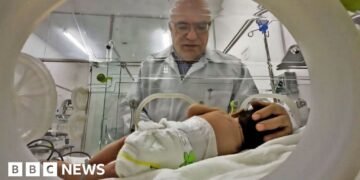
The director of a major hospital in Gaza reports an alarming trend: malnourished and traumatized mothers are continuing to give birth to underweight and premature infants, even over three months into a fragile ceasefire between Hamas and Israel. While aid has increased since the onset of the peace agreement, experts warn that current provisions still fall significantly short of what is needed.
Why It Matters
This situation highlights the ongoing humanitarian crisis in Gaza, where the health and well-being of mothers and newborns are under severe threat. Despite the temporary cessation of hostilities, the impacts of years of conflict and blockade conditions continue to exacerbate public health challenges. Understanding this crisis is vital for informing humanitarian efforts and potential policy responses moving forward.
Key Developments
- Hospital officials report a continued pattern of malnutrition and trauma among mothers in Gaza.
- Infants born to these mothers are often classified as underweight or premature.
- The United Nations has stated that while aid levels have risen, they are still insufficient for meeting the population’s needs.
- Israel asserts that it is fulfilling its commitments under the ceasefire by allowing increased food and medical supplies into Gaza.
Full Report
Continued Health Challenges
Persistent health issues plague women giving birth in Gaza, according to the director of one of the territory’s main hospitals. Reports indicate that many mothers are suffering from malnutrition and psychological trauma as they navigate the aftermath of prolonged conflict. These conditions have contributed to a worrying trend of premature and underweight births.
Aid Shortfall
Despite the easing of hostilities, humanitarian aid remains insufficient, according to United Nations representatives. Although markedly more assistance has been allowed into Gaza since the ceasefire was established, it still does not meet the critical needs of the population, especially the vulnerable demographic of mothers and infants.
Israel’s Position
In response to the ongoing crisis, Israeli officials reaffirm their commitment to the ceasefire agreement, highlighting that they have increased the flow of food and medical aid into Gaza as part of their obligations. However, the impact of these measures remains a subject of intense scrutiny and debate amid the overwhelming need for greater support.
Context & Previous Events
This current situation unfolds over three months into a fragile ceasefire between Hamas and Israel, a period that was expected to bring some relief to the region after years of conflict. However, the humanitarian fallout from previous hostilities continues to pose significant challenges for the local healthcare system.