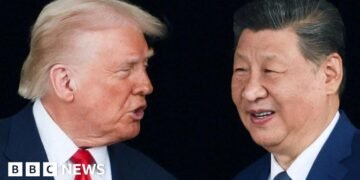























In a notable development, recent diplomatic activity has surged, as several Western leaders have made visits to China in recent months. This uptick in engagement underscores the shifting dynamics in international relations as nations seek to navigate complex geopolitical challenges.
The significance of these high-level visits lies in their potential to reshape global alliances and economic partnerships. With rising tensions and ongoing discussions about trade, climate change, and security, how these leaders interact with China could influence the stability of the international order.
Key Developments
- Multiple Western leaders have visited China, indicating a renewed focus on strengthening ties.
- These visits aim to address various global issues, including trade disputes and climate initiatives.
- The overarching goal is to foster dialogue and cooperation amid increasing geopolitical tensions.
Full Report
Recent Diplomatic Visits
In recent weeks, a series of Western officials took the initiative to visit China, highlighting the importance of face-to-face dialogue in international relations. These visits are characterized by discussions that aim to address shared challenges and explore avenues for collaboration.
Focus on Key Issues
The leaders’ discussions encompass a range of critical topics. Central to these dialogues are ongoing trade relations, which have been a source of tension in the past. Additionally, climate change discussions are prominent, with an emphasis on joint efforts to tackle environmental issues affecting both regions.
Reactions and Implications
Reactions to these diplomatic moves have been mixed. While many view the visits as a positive step toward improved relations, skepticism remains among observers who question the sincerity of commitments made during these meetings.
Context & Previous Events
The recent surge in diplomatic engagement follows a period of isolationism and strained relations between China and Western nations. Previous global summits have been marked by disagreements over various issues, setting the stage for the current efforts aimed at rebuilding dialogue.