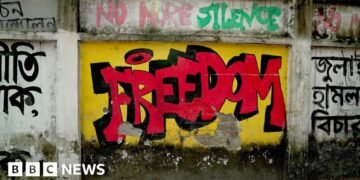























Student Uprising in Bangladesh Seen as Precursor to Landmark Election
A surge of student activism in Bangladesh has ignited hopes for a transformative political shift as the nation approaches a pivotal election. However, despite this promise of change, analysts are predicting a continuation of power for longstanding political parties.
Why It Matters
The electoral process in Bangladesh is under scrutiny as citizens grapple with the implications of a new generation’s engagement in politics. The potential dominance of established parties raises questions about the direction of policy and governance, especially in light of the youthful momentum calling for reform.
Key Developments
- A growing student-led movement is advocating for political change, believing it could reshape the future of governance in Bangladesh.
- Despite the mobilization of younger voters, projections indicate that traditional political parties may retain their influence in the upcoming elections.
- The election has become a focal point for debates on democracy and representation in the country.
Full Report
Surge of Student Activism
The recent resurgence of student activism in Bangladesh marks a significant shift in the political landscape. Young leaders are pushing back against the status quo, calling for transparency, accountability, and an end to corruption. This movement is characterized by energetic rallies and organized gatherings aimed at mobilizing support among their peers.
Election Outlook
With the impending elections, political analysts are closely watching how this wave of youth involvement will influence voter turnout and preferences. However, many experts suggest that the entrenched influence of established political entities will likely prevail, potentially stifling the anticipated reforms advocated by the younger generation.
Public Sentiment
Public response appears mixed, with some expressing skepticism about the ability of student movements to effect real change against powerful political machinery. Others remain hopeful that the energy among youth could lead to a meaningful political transformation over time.
Context & Previous Events
Historically, Bangladesh has experienced political oscillations largely led by its major parties, which have dominated its electoral landscape. The rise of student movements has historically been a precursor to wider social and political change; however, past efforts have often struggled to translate grassroot enthusiasm into electoral success.