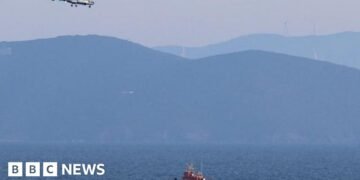























Gabriel Sakellaridis, a senior member of Greece’s left-leaning Nea Aristera party, has publicly condemned the government’s approach to immigration enforcement following a recent coastline anti-immigration operation. His remarks on social media highlight increasing concerns about the dangers associated with the current measures, which Sakellaridis claims are resulting in tragic consequences at sea.
Why It Matters
The ongoing debate over Greece’s immigration policies has significant implications for both national security and humanitarian issues. As Greece navigates its role at the crossroads of Europe and the Middle East, actions taken by its Coast Guard not only affect the lives of migrants but also the country’s international image and relationship with the European Union.
Key Developments
- Gabriel Sakellaridis criticized the government’s anti-immigration strategy on social media.
- He described the recent Coast Guard operation as part of a shift towards harsher immigration policies.
- Concerns have been raised about the rising number of migrant fatalities in Greek waters.
Full Report
Government Tactics Under Scrutiny
Sakellaridis characterized the recent deterrence operations carried out by the Coast Guard as having “specific political instructions” that align with a more stringent government approach to immigration. He expressed alarm that this strategy has transformed Greek waters into “a cemetery,” referencing the fatalities that have occurred as a result of these practices.
Public Response
The statement from Sakellaridis adds to a chorus of criticism aimed at the government for its handling of immigration, as various advocacy groups and political figures voice similar concerns about the safety and dignity of migrants attempting to reach Greece by sea. The public outcry raises questions about the balance between enforcing immigration policies and protecting human lives at sea.
Context & Previous Events
Historically, Greece has been a critical entry point for migrants and refugees seeking asylum in Europe. Over the past few years, there has been a noticeable shift in the country’s migration policy, particularly under increasing pressure from EU directives to restrict immigration and enhance border security. This shift has been accompanied by reports of rising incidents of migrant drownings in the Aegean Sea, prompting significant backlash from humanitarian organizations.