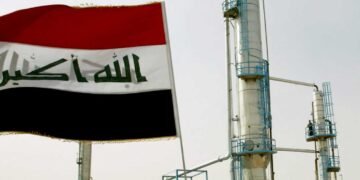























Differing Approaches: U.S. Oil Strategies in Iraq and Venezuela
Oil analysts have drawn parallels between the recent U.S. actions in Venezuela and the Iraq invasion of 2003. However, experts assert that the strategies employed by the Trump administration for seizing Venezuelan oil differ significantly from past operations in Iraq, raising legal and ethical concerns.
Why It Matters
The U.S.’s approach to managing Venezuelan oil revenues post-Maduro underscores the complexities of foreign intervention and resource management. The lack of transparency and independent oversight in current operations raises questions about the accountability and legitimacy of oil sales, particularly as the Venezuelan oil sector struggles under the weight of sanctions and a lack of investment.
Key Developments
- Historical Context: The removal of Venezuelan leader Nicolás Maduro this year has prompted comparisons to the ousting of Saddam Hussein in Iraq.
- Opacity in Operations: Unlike the transparent system established for Iraqi oil post-invasion, the U.S. actions in Venezuela lack independent oversight.
- Seizures and Sales: The U.S. military has seized seven Venezuelan oil tankers and is currently selling oil through Swiss firms with questionable histories.
- Future Plans: Secretary of State Marco Rubio stated that U.S. companies aim to establish a normalized energy program for Venezuela, distinct from current management through Swiss traders.
- Challenges for U.S. Companies: While Trump encourages U.S. oil firms to invest in Venezuela, executives emphasize the need for a stable regulatory environment.
Full Report
Differences in Approach
Following the toppling of Saddam Hussein, the U.S. and the United Nations orchestrated a transparent revenue management system for Iraqi oil, backed by independent auditing. In stark contrast, Venezuela’s oil management has unfolded with considerable opacity, prompting concerns from legal experts about its legality.
U.S. Military Actions in Venezuela
The U.S. military has confiscated seven oil tankers from Venezuela. Current sales of Venezuelan oil are being facilitated through two Swiss trading firms, both of which have faced legal issues for bribery in the past. Secretary Rubio has characterized these arrangements as temporary, emphasizing a broader intention for the Venezuelan oil market to operate normally.
U.S. Company Engagement
Historically, major U.S. oil firms like ExxonMobil retreated from Venezuela after contract renegotiations deteriorated terms for investment. Chevron remains one of the few large companies with operations in Venezuela. Recent meetings indicate a willingness from some companies to consider re-entry, provided they receive adequate legal protections.
The Long Game in Iraq
In Iraq, many U.S. firms opted against participating in oil auctions, citing the high risks associated with instability and lack of infrastructure. ExxonMobil did seize some opportunities, but this strategy yielded modest returns, ultimately leading them to withdraw. Analysts suggest a similar scenario could unfold in Venezuela, where stability remains tenuous.
Oversight and Ethical Concerns
In Iraq, oil revenues were monitored by an independent auditor to ensure proper allocation and use. Conversely, no such oversight exists for Venezuelan oil under current U.S. operations, raising alarms about who benefits from these sales. Oil analysts express concerns that without checks, Venezuelan citizens may not benefit from their country’s resources.
Context & Previous Events
The U.S. ousted Saddam Hussein in 2003, leading to the establishment of a revenue distribution system that involved both U.S. control and U.N. oversight. This operation aimed to stabilize Iraq’s oil sector, but early promises of rapid recovery proved overly optimistic. It took several years for Iraqi oil production to return to pre-war levels.
In Venezuela, the oil sector is hampered by longstanding sanctions, poor investment, and a mass exodus of oil professionals. Current production levels are significantly lower than historical highs, facing challenges from organized crime and insecurity, which must be addressed to enhance operational capacity in the oil industry.