






















[article_title]
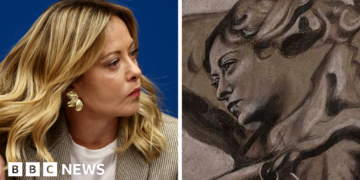
In a recent statement, an acclaimed artist has firmly rejected allegations that a new fresco was inspired by the country’s prime minister. This rebuttal comes at a time when the intersection of art and politics has become a focal point of discussion.
The denial is significant as it highlights ongoing tensions surrounding artistic expression in politically charged environments. Understanding the motivations behind such art and its implications can offer clearer insights into public perception and media narratives.
Key Developments
- The artist publicly refuted claims linking the fresco to the prime minister.
- Statements were made in response to increasing scrutiny from both critics and supporters.
- The controversy has sparked a broader conversation about political representation in the arts.
Full Report
Artist’s Statement
In a recent interview, the artist expressed strong discontent with the suggestion that their work draws inspiration from political figures, asserting that their focus remains purely on artistic expression.
Public Reaction
The allegations have ignited a variety of responses from the public, with some supporting the artist’s freedom of expression while others believe that all art is inherently political.
Ongoing Debates
This incident emphasizes the complex relationship between art and politics, inviting viewers to consider how much influence political leaders wield over artistic creation.
Context & Previous Events
Prior to this controversy, debates around the roles of artists in political discourse have gained traction, with many creators often finding themselves at the crossroads of public sentiment and policy discussions.