






















Confusion Lingers as New Regulations on Hemp and Marijuana Loom
A significant shift in the legal landscape for hemp and marijuana is on the horizon as new regulations are set to take effect this fall. These changes aim to clarify the distinctions between hemp and marijuana, but they also raise concerns within the industry regarding potential consequences for businesses and consumers alike.
Why It Matters
Navigating the complex definitions of hemp and marijuana is increasingly crucial, especially as public interest grows around cannabis products. This dilemma not only affects farmers and manufacturers but also lawmakers and consumers eager to understand the implications of evolving cannabis regulations.
Key Developments
- New federal regulations will tighten definitions of hemp based on THC content, limiting it to less than 0.4 milligrams per product by November.
- The 2018 Farm Bill initially allowed a booming market for hemp-derived THC beverages. These new restrictions threaten that market, impacting producers who sell low to moderate strength drinks.
- Provisions in Congress continue to be debated, focusing on how to legally classify hemp and marijuana amid ongoing confusion surrounding cannabinoid use.
- Experts warn that the changes may negatively affect businesses relying on cannabinoids like CBD, even with trace amounts of THC.
Full Report
Legal Definitions in Flux
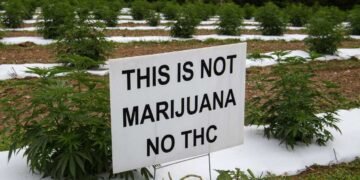
The legal classification of hemp and marijuana fundamentally depends on THC levels. Presently, hemp is defined federally as cannabis containing less than 0.3% THC. However, new legislation is poised to adopt stricter limitations, potentially classifying many current hemp-derived products as illegal. As industry insiders prepare for the potential fallout, beverage companies specializing in hemp products voice immediate concerns about their ability to comply.
Industry Response
The American market has seen a substantial growth in products featuring cannabinoids since the 2018 Farm Bill’s passage. These included a burgeoning demand for THC-infused drinks, allowed under existing legislation due to a legal loophole. Critics now warn that the forthcoming restrictions may threaten many manufacturers and cause significant economic repercussions.
Historical Context
Cannabis, one of the world’s oldest cultivated plants, has played a vital role in U.S. agriculture for centuries. In Colonial America, hemp was a primary crop, used to create essential products like ropes and textiles. However, by the early 20th century, attitudes began to shift dramatically against cannabis, culminating in its prohibition under the Marihuana Tax Act of 1937.
Fast forward to the 1970s, when cannabis was categorized as a Schedule I substance, a classification that reflects ongoing misconceptions regarding its safety and medicinal value. This historical context amplifies the complexity surrounding current legislative efforts to redefine cannabis and its derivatives.
In summary, as lawmakers grapple with how to effectively regulate cannabis, stakeholders across the board—farmers, manufacturers, and consumers—must prepare for significant changes in product classification and availability.






