






















Measles Resurgence Raises Alarm Across the U.S.
Recent data reveals a troubling resurgence of measles in the United States, placing the nation on the brink of losing its measles-free status. With 2,267 confirmed cases reported in 2025—the highest count since 1991—health officials are sounding the alarm as outbreaks spread across various states.
Why It Matters
The return of this highly contagious virus poses significant risks, especially to vulnerable populations such as young children, pregnant women, and individuals with weakened immune systems. A comprehensive understanding of measles is critical for parents and healthcare providers to mitigate the impact on community health.
Key Developments
- Rising Cases: There have been 588 confirmed measles cases as of late January 2025, driven largely by an ongoing outbreak in South Carolina.
- Vaccination Recommendations: Health experts emphasize the importance of catching up on vaccinations, particularly the MMR vaccine for children.
- Potential Complications: Measles can lead to severe complications, including pneumonia and encephalitis, raising concerns among health professionals.
Full Report
Symptoms and Infectious Nature
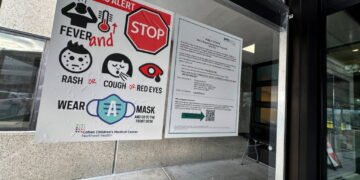
Measles is a highly contagious respiratory virus characterized by initial symptoms of coughing, runny nose, fever, and red, watery eyes. After several days, a distinctive rash develops, typically starting on the face and spreading. The disease can lead to high fevers and, while most recover in about ten days, complications are possible.
Infection spreads easily through respiratory droplets from coughing or sneezing. Up to 90% of unvaccinated or previously uninfected individuals can contract it after exposure. The virus remains viable in the air for up to two hours in an enclosed space.
Complications
Complications are not uncommon, and include ear infections and diarrhea, which can lead to dehydration. About one in five unvaccinated individuals requiring hospitalization further underscores the severity of the situation. Among children infected, one in twenty may develop pneumonia, and one in a thousand may suffer from encephalitis, which can result in lasting disabilities.
Tragically, approximately three out of every one thousand children who contract measles may die from complications, indicating the high stakes involved in controlling outbreaks.
Vaccination Guidelines
Experts advocate for vaccination as the most effective measure against measles. The Centers for Disease Control and Prevention (CDC) recommends that children receive the MMR vaccine—protecting against measles, mumps, and rubella—starting at 12 to 15 months, with a second dose between four and six years old. Adults who were not vaccinated as children should also consider receiving both doses of the vaccine.
Vaccination rates are crucial, as last year, 93% of all measles cases occurred among unvaccinated individuals or those with unknown vaccination status.
Treatment and Prevention
Currently, there is no cure for measles. Treatment focuses on supportive care to manage symptoms. Vitamin A supplements can help reduce the risk of serious complications for those deficient in the vitamin, though they do not prevent infection.
As outbreaks continue—most notably in South Carolina—public health departments may enforce quarantines for unvaccinated individuals who have been exposed.
Context & Previous Events
Measles was declared eliminated in the U.S. in 2000 due to widespread vaccination efforts. However, recent trends indicate a significant decline in vaccination rates, fueling the resurgence of cases and raising concerns about public health readiness in the face of contagious diseases.
Health officials are urging communities to prioritize immunization to ensure that the hard-won victories against measles are not undone.