






















U.S. Intervention in Venezuela: Divided Opinions Emerge in Houston
A recent U.S. military operation that resulted in the capture of Venezuelan leader Nicolás Maduro has sparked a wave of reactions within the Houston community. The intervention, while celebrated by some as a beacon of hope for Venezuelans abroad, has raised concerns among others who question its motivations and potential ramifications.
Why It Matters
The U.S. intervention in Venezuela is particularly significant given the country’s dire political and economic landscape. Historically rich in oil, Venezuela has struggled with corruption and instability, leading to widespread suffering among its citizens. The operation to seize Maduro has polarized opinions, reflecting broader tensions surrounding U.S. foreign policy and its implications for both Venezuelans and Americans.
Key Developments
- U.S. forces captured Nicolás Maduro amid a deteriorating political climate in Venezuela.
- Individuals within the Houston diaspora express mixed feelings about the intervention, with some supporters voicing gratitude.
- Critics raise concerns about potential U.S. motives, suggesting an ulterior focus on Venezuela’s oil reserves.
- A recent poll indicated that a majority of Americans disapprove of Trump’s handling of the Venezuelan situation.
Full Report
Mixed Reactions Surface
Freddy Pereira, a former restaurant owner from Venezuela now residing in Katy, Texas, expressed his relief and gratitude toward President Trump for the military action. Pereira left Venezuela two years ago due to mafia violence and extortion. “I finally see a light in this dark tunnel where we couldn’t see a way out,” he stated, highlighting a sense of hope among those who fled the country’s turmoil.
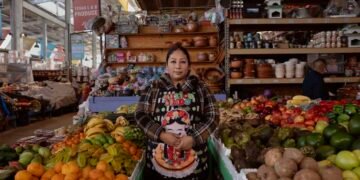
Conversely, Lupita Gutierrez, a fruit and vegetable vendor at the Houston Farmers Market, views the intervention differently. She believes Trump’s decision was a distraction from domestic issues, such as rising food prices and nationwide protests. “The United States is going through a lot of problems,” Gutierrez remarked, indicating skepticism towards the administration’s motives.
Support and Skepticism Among Residents
While some, like medical device worker Clay Duncan, embrace the military intervention as a necessary step, others question its implications. Duncan noted that the action sends a message to countries that threaten U.S. interests. “When you push the American people to a certain point, we’re going to take action,” he said, reflecting a viewpoint supportive of the military’s role in promoting stability.
However, not everyone shares his optimism. Interior designer Gwen McMurrey described the intervention as a potential “oil grab,” suggesting that the administration’s motives are not purely humanitarian. She argued, “If it was regime change, why did you leave the regime in place?”
Calls for Caution
Retired hairdresser Shanna Berry, supportive of the intervention, nonetheless expressed concerns about escalating military involvement. Berry, a former Air Force specialist, fears the consequences of U.S. troops being deployed in another country. “So many men went over there to defend our country, and they’ve come back with things like severe PTSD,” she lamented, advocating for careful consideration in future actions.
John Rodriguez, a retired oil worker, acknowledged opportunities in reviving Venezuela’s oil industry but echoed the need for responsible intervention. He stated, “If we’re going to take over a country like that we need to be able to support it.”
Context & Previous Events
The political crisis in Venezuela has been ongoing for years, characterized by severe economic collapse, widespread corruption, and human rights violations. Historical U.S. interventions in Latin America have often yielded negative long-term consequences, a concern echoed by some community members today. Recent polling data reflected a national skepticism regarding Trump’s handling of foreign affairs in Venezuela, with 53% disapproving of his approach.
In the aftermath of the U.S. operation, the debate over intervention continues to resonate deeply within Houston’s diverse population, reflecting broader sentiments that encapsulate both hope and caution.