






















Knitting for Solidarity: The Rise of the "Melt the ICE" Movement in Minneapolis
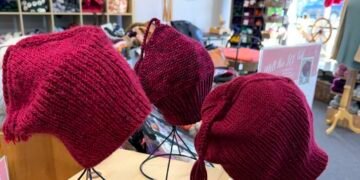
In a Minneapolis yarn store, a unique form of protest is taking shape as local knitters create red "Melt the ICE" hats in response to increased federal immigration enforcement in their community. This grassroots movement highlights a growing sentiment against aggressive tactics employed by immigration officials and promotes support for affected families.
Why It Matters
The ongoing actions of federal immigration agents have left many in Minneapolis feeling vulnerable and anxious. The death of U.S. citizen Renee Good at the hands of an immigration agent has particularly galvanized community members. The hat project not only serves as a symbolic gesture of resistance but also raises critical funds for local organizations aiding immigrant support efforts.
Key Developments
- The "Melt the ICE" hat, a red beanie with a braided tassel, was designed by Paul Neary, an employee at Needle & Skein.
- The yarn store has raised nearly $400,000 through the sale of the hat pattern, donating $250,000 to local nonprofits aiding immigrants, such as STEP and the Immigrant Rapid Response Fund.
- The initiative has gained international traction, with messages of support from knitters in various countries including Israel, South Africa, and Norway.
- The hat’s design is inspired by a Norwegian pattern used during protests against Nazi occupation in the 1940s, chosen for its historical association with resistance and hope.
Full Report
Collectively Resisting
The knitting group at Needle & Skein typically fosters a lighthearted atmosphere, but recent events have cast a shadow over their gatherings. The realization of shared concerns about federal immigration policies has created a sense of collective exhaustion among them. Store owner Gilah Mashaal observed the toll it has taken on community morale, prompting both her and Neary to take action through crafting.
A Historical Connection
Neary’s choice of a Norwegian hat pattern, known as "nisselue," was a conscious decision to connect past struggles with current issues. This historical reference resonates deeply, as the original hats served to uplift spirits during a dark time in Norway’s history. Mats Tangestuen, director of the Resistance Museum in Oslo, noted the symbolism of the hat as a non-threatening means of protest, emphasizing its role in maintaining hope amidst adversity.
Crafting as Community Activism
Mashaal, who typically refrains from political discussions in her shop, felt compelled to voice her dissent as a Jewish immigrant. She described knitting as a dual-purpose activity—fostering community while also serving as a peaceful form of protest. History professor Wendy Woloson pointed out that knitting has long been a method for crafters to respond to community needs, comparing the current movement to the creation of "pussy hats" during the 2017 Women’s March.
Facing Criticism
While some skeptics have characterized the hat project as merely performative, Mashaal contends that the substantial funds raised for immigrant aid reflect a genuine commitment to community support. Neary echoed this sentiment, highlighting that not everyone can engage in front-line activism, but many still seek to contribute meaningfully to the cause.
Context & Previous Events
The recent deaths of Renee Good and another U.S. citizen, Alex Pretti, serve as stark reminders of the heightened scrutiny and fear surrounding immigration enforcement in Minneapolis. The community’s response through this knitted protest not only signifies increasing frustration but also embodies a call for solidarity and support for those affected by these policies.






