






















Venezuela Opens Oil Sector to Privatization Amid U.S. Sanctions Easing
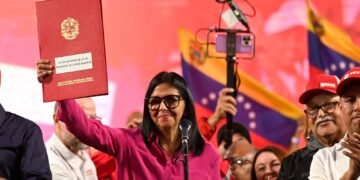
Venezuela’s interim president Delcy Rodriguez has enacted a law that opens the nation’s oil sector to privatization, aiming to attract foreign investment. This legislative move comes on the heels of U.S. adjustments to sanctions affecting Venezuela’s oil industry, signaling a substantial shift in the country’s economic policy.
Why It Matters
The privatization of Venezuela’s oil sector holds significant implications for its economy, previously dominated by state-run Petroleos de Venezuela SA (PDVSA). With the country’s oil reserves considered some of the largest globally, this change could revitalize a struggling industry and foster renewed foreign investment, crucial for economic recovery.
Key Developments
- The National Assembly approved the privatization bill, designed to attract foreign investment.
- The law allows U.S. companies to engage in various activities related to Venezuelan crude oil, although production sanctions remain in place.
- Private firms will assume full control over oil activities, with independent oversight for dispute resolution.
- The law modifies extraction taxes, establishing a royalty cap of 30% and allowing variances based on specific projects.
- Rodriguez’s administration expressed optimism that these reforms would reassure U.S. oil firms hesitant about re-entering the market.
Full Report
Legislative Action
The law, signed by Rodriguez, emerged from a rapid legislative process lasting less than two weeks, reflecting the urgency to revitalize Venezuela’s oil industry. Oil workers expressed their support for the new legislation, celebrating its approval in the legislative palace in Caracas.
Implications of U.S. Sanctions Easing
The easing of U.S. sanctions, while not eliminating restrictions on production, permits American firms to buy and sell Venezuelan oil. A White House official has indicated that further announcements regarding sanctions adjustments are forthcoming. President Trump has outlined plans for U.S. companies to capitalize on oil exports directly.
Reforming the Oil Industry
Under the new law, private companies will take on full management responsibilities for oil production and sales. This ends the exclusive control previously held by PDVSA, marking a significant transformation in Venezuela’s approach to its natural resources. The legislation also introduces mechanisms for independent dispute resolution, viewed as essential to protecting private investments from potential expropriations.
Rodriguez stressed the importance of these reforms in ensuring a prosperous future for Venezuela, stating, “We are talking about the country that we are going to give to our children.”
Context & Previous Events
This legislative change comes less than a month after a U.S. military operation aimed at seizing former president Nicolas Maduro. The previous administration, led by Maduro’s predecessor Hugo Chavez, prioritized state control over the oil sector, which has impacted investments and production over the past two decades.