






















Mozambique Floods Displace Thousands, Strain Aid Resources
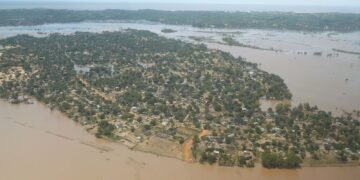
Severe flooding in southern Mozambique’s Gaza province has transformed communities into islands amidst an overwhelming expanse of stagnant water, leaving thousands without food, shelter, or healthcare. With at least 400,000 individuals impacted, humanitarian efforts are intensifying but face immense challenges as responders scramble to assist those in desperate need.
Why It Matters
This situation highlights the escalating consequences of climate change, which has intensified weather patterns and contributed to devastating floods across the region. The crisis not only threatens immediate survival but also jeopardizes the long-term agricultural viability and health of communities reliant on external food supplies, exacerbating the hardships experienced by the local population.
Key Developments
- Gaza province is experiencing severe flooding, with an area approximately the size of Cyprus submerged.
- Thousands of residents are trapped on higher ground, having lost access to essential services and resources.
- Reports indicate a rise in health issues, including diarrheal diseases and malaria, due to contaminated water and inadequate shelter.
- Aid workers are mobilizing efforts to provide food and medical assistance, but face significant logistical hurdles.
- The Mozambican government has deferred the start of the school year as 431 schools are affected by the floods.
Full Report
Devastating Impact of Floods
From a helicopter delivering vital food aid, the view of Gaza province reveals the grim reality of a landscape submerged in brown water, with only patches of higher ground visible. Local resident Raqualina Tamele expressed the dire situation, noting the struggle for clean drinking water and the prevalence of sickness among the community.
"This island is too big to be evacuated," Mercy Air pilot Samuel Lips stated as they hovered over Mexinguine, a community transformed by climate change into a pseudo-island cut off from critical resources. Roads once connecting residents to agricultural fields now lie underwater, heightening the urgency for aid.
Growing Needs and Response Challenges
"Nurse Luis Mauricio emphasized the community’s urgent needs: food, water, shelter, and medicine are desperately required," he said outside the makeshift clinic serving those affected by the floods. His clinic is overwhelmed with patients suffering from various ailments exacerbated by the flood conditions.
Charities and organizations are facing a monumental task to provide urgent assistance. Gaspar Sitefane from Water Aid highlighted the widespread impact of climate change on weather patterns, revealing that floodwaters from surrounding countries converge on Mozambique, wreaking havoc on homes, livestock, and agricultural lands. His own family has also been displaced, underscoring the widespread nature of the disaster.
In shelters like one turned from a school intended for learning into a refuge for many, the need for basic supplies remains pressing. Shafi Sadat, mayor of Marracuene, described the sheer scale of the damage, stating, "We don’t have anything. These people live with agriculture."
Educational Disruptions
The dual crises of flooding and food insecurity have prompted the government to delay the school year by nearly a month, affecting over 420,000 students across the nation and closing numerous educational facilities that have become shelters for evacuees. Children reliant on the education system now face uncertainty amid the chaos.
Context & Previous Events
Historical records indicate that the severity of flooding experienced in 2023 has not been observed since 1977, showcasing a pattern of increasing climate volatility in the region. The urgency for aid and the long-term recovery efforts underscore the challenges facing Mozambique, a nation continually grappling with the impacts of climate change, inadequate infrastructure, and socioeconomic vulnerabilities.
As the situation develops, ongoing support and timely interventions will be crucial for the recovery of Gaza province and its residents.