






















Minneapolis Faces Immigration Crackdown Amid Activist Response
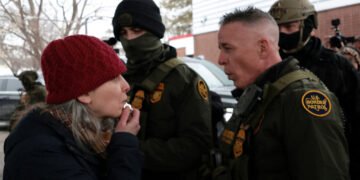
Recent weeks in Minneapolis have seen a surge in visibility for immigration enforcement, marked by the sounds of whistles and honking horns as local residents rally against federal agents conducting arrests across the city. This heightened alert follows the Trump administration’s latest initiative, dubbed Operation Metro Surge, which has intensified the scrutiny and enforcement actions targeted at immigrants.
Why It Matters
The situation in Minneapolis reflects larger national tensions surrounding immigration policy and enforcement. The aggressive tactics employed by immigration agents have elicited a strong community response, highlighting the struggle for immigrant rights and safety in an increasingly hostile environment. This local unrest serves as a microcosm of the broader issues facing immigrant communities across the United States.
Key Developments
-
Intensified Enforcement: Operation Metro Surge commenced with a significant increase in arrests, leading to over 3,400 detentions and over 3,000 agents deployed in the area.
-
Community Mobilization: Activist groups have quickly organized in response to these actions, forming volunteer networks to assist frightened residents and track ICE movements.
- Escalating Tensions: Protests against immigration agents have occasionally turned confrontational, raising concerns over community safety and the potential for violence.
Full Report
Activism Amidst Crackdown
Local residents, including educators, business owners, and stay-at-home parents, have come together under initiatives like Defend the 612 to monitor immigration activities. Their objective is primarily to warn fellow community members about the presence of immigration agents and document their actions.
Despite a recent shift in tone from the White House following the tragic death of an immigrant, Alex Pretti, community leaders remain skeptical about any durable change. Andrew Fahlstrom of Defend the 612 remarked that the removal of Gregory Bovino, a senior Border Patrol official, had little impact on the continuous threat residents feel.
Operations on the Ground
The operation escalated in early January with an announcement from ICE that the crackdown would be the "largest immigration operation ever." Residents report seeing armed agents in unmarked vehicles patrolling neighborhoods and stopping individuals randomly to check documentation. Notably, there have been instances where agents forcibly entered homes without proper legal backing, detained family members, and even used tear gas in confrontations with protesters.
Volunteer Networks Respond
In response to these enforcement tactics, a network of volunteers has emerged, coordinating rapid responses to ICE activity. Relying on encrypted communications, activists track and report movements, organize food deliveries, and even escort individuals to work or other essential destinations. These networks operate under heightened stress, as the regularity of immigration activity has led to fear and hesitance among residents, significantly impacting their daily lives.
Confrontations and Community Dynamics
While protests against immigration enforcement are frequent, they are not without danger. Recent skirmishes between activists and immigration officials included physical altercations and the use of crowd control measures by agents. City council members, like Jason Chavez, emphasize the importance of community vigilance and support during these turbulent times, underscoring the role of residents in safeguarding one another from ICE operations.
Context & Previous Events
The crackdown is a continuation of immigration enforcement efforts that began to intensify in December, with public announcements by immigration officials hinting at plans for heightened activity against those residing in the country illegally. This current wave reflects a broader push by the Trump administration, marked by a climate of fear and activism that continues to develop in Minneapolis and beyond.






