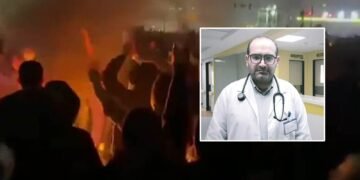























Iran’s Sharp Crackdown Raises Alarms Over Medical Professional Safety
In Iran, a sustained crackdown on dissent has reignited a culture of fear among healthcare workers and protesters alike. Following the government’s effective suppression of recent protests, medical professionals face severe repercussions for treating injured demonstrators, prompting international concerns about human rights violations within the country’s healthcare system.
Why It Matters
This situation underscores the dire consequences of state repression in Iran, where the government’s harsh measures not only jeopardize the lives of protesters but also threaten the integrity and safety of medical personnel. The chilling environment raises important questions about human rights, healthcare accessibility, and the state’s commitment to its citizens.
Key Developments
-
Communications Blackout Eases: Limited internet access has resumed in Iran since January 8, but communication remains difficult, complicating outreach efforts.
-
Targeting of Medical Staff: Reports indicate that healthcare workers are being pressured to clear emergency wards for injured security personnel, with some doctors facing arrest for treating protest victims.
-
Arrests Reported: Multiple healthcare professionals, including Dr. Alireza Golchini, have been detained, facing severe consequences, including charges of waging war against the state.
- High Casualty Estimates: Human rights groups independently verify significantly higher death toll figures compared to the Iranian government’s estimate. The Human Rights Activists News Agency reports over 6,300 deaths during the unrest, with the number potentially exceeding 23,000 when additional cases are included.
Full Report
Regime’s Control Over Medical Facilities
Activist Dr. Yaser Rahmani-Rad has vocalized the plight of healthcare professionals in Tehran, where he witnessed security pressures compelling medical staff to discharge patients from emergency departments to clear space for the wounded among security forces. In alarming accounts, Dr. Rahmani-Rad revealed that some people were removed from life support systems with the grim assertion that they "deserve to die" due to their opposition to the regime.
Incursions by security forces into medical facilities have been documented, with unauthorized entries into hospitals like Imam Khomeini in western Iran. This not only violates patient privacy rights but poses direct threats to the lives of those injured during protests.
Dangers Faced by Medical Professionals
Evidence has emerged of extensive targeting of doctors, with six confirmed cases of arrest linked to their treatment of protesters. Among those detained is Dr. Golchini, who had declared his willingness to support demonstrators medically. Recent reports suggest that he has endured physical abuse during his detention and now faces execution for allegedly opposing the Islamic state.
Disparities in Fatality Reports
The Iranian regime’s claims suggest approximately 3,117 fatalities, predominately among security personnel, while various human rights organizations argue that the actual figures surpass this, with estimates surfacing as high as 30,000 based on insights from medical professionals within the country.
Dr. Amir-Mobarez Parasta, an eye surgeon, indicates that his research into reported fatalities linked to the protests has yielded a more alarming toll, potentially reaching over 25,000 deaths.
Seeking Help Beyond Borders
With their safety at stake, many injured protesters are avoiding local hospitals, fearing arrest and further violence. Some are resorting to consult healthcare professionals abroad, like Dr. Panteha Rezaeian in California, who has received desperate calls from individuals dealing with serious injuries at home while evading the authority’s scrutiny. Dr. Rezaeian emphasizes the urgency of remote medical support, stating that many face a critical risk of death without proper care.
Sky News reached out to Iranian officials regarding these findings but has not yet received a response.
Context & Previous Events
The recent uprising in Iran reflects long-standing grievances against the clerical regime, which has often responded with force to dissent. The protests’ violent suppression reinforces the pervasive climate of fear, significantly impacting healthcare accessibility and the basic human rights of citizens living under the Islamic Republic.