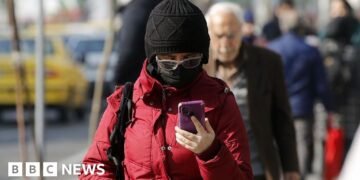























Government Internet Shutdown Amid Protest Crackdown
The nation enacted a total shutdown of internet services on January 8, coinciding with a government crackdown on demonstrators. This decisive action highlights the authorities’ efforts to stifle dissent and control information flow in a tense political climate.
Why It Matters
This internet blackout underscores the lengths to which governments may go to suppress public unrest. The ability to communicate freely is crucial during times of upheaval, and cutting off access can complicate organizing efforts and hinder the dissemination of information regarding human rights conditions and governmental actions. The implications of such measures raise grave concerns about civil liberties and democratic processes.
Key Developments
- On January 8, the government implemented a nationwide internet blackout.
- The decision came in response to ongoing protests against governmental policies.
- Critics claim the measure aims to silence opposition and curb information sharing.
Full Report
The government’s shutdown of internet access marked a critical escalation in its response to widespread protests that have emerged recently. Following a surge in public dissent, authorities have taken stringent measures to quell opposition, including imposing stringent restrictions on communication.
Officials have justified the internet shutdown as a necessary step to maintain public order. However, opponents argue that such actions violate fundamental rights and aim to prevent activists from mobilizing or communicating effectively.
The loss of internet services has raised alarms among human rights advocates, who warn that these restrictions could lead to increased violence and further destabilize the region. Various organizations and citizens alike are calling for the restoration of services, emphasizing that access to information is crucial for accountability and civic engagement.
Context & Previous Events
The decision to cut off internet access is part of a broader trend of government actions against protesters. As dissent grows, authorities have historically resorted to such measures, which raise concerns about democracy and the right to free expression.