






















Philadelphia’s District Attorney Faces Backlash for Controversial Anti-ICE Remarks
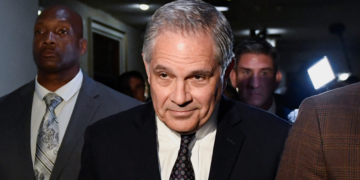
Philadelphia’s District Attorney Larry Krasner is under increasing scrutiny after he publicly declared his intention to "hunt" federal immigration agents in response to new local legislation aimed at restricting ICE operations. Krasner’s comments, made during a press event tied to the proposed “ICE OUT” legislation, have sparked significant controversy and criticism.
Why It Matters
The proposed legislation and Krasner’s remarks reflect a growing tension between local authorities and federal immigration agents. With ICE facing mounting criticism over enforcement tactics, the stakes are high as different levels of government clash over immigration policy and community safety. The situation underscores broader debates about law enforcement’s role, public safety, and the rights of undocumented immigrants in America.
Key Developments
- Krasner labeled ICE agents as “wannabe Nazis” and threatened to expose their identities.
- The City Council is reviewing a legislative package that aims to limit ICE’s ability to operate within Philadelphia.
- Proposed measures include barring ICE from using city facilities and restricting cooperation between local and federal agencies.
- Pennsylvania lawmakers have warned both Krasner and Sheriff Rochelle Bilal about potential legal repercussions for interfering with ICE operations.
- The White House condemned Krasner’s rhetoric, citing a significant increase in assaults against ICE officers.
Full Report
Krasner’s Controversial Statements
At a morning event outside City Hall, Krasner criticized ICE agents, referring to them as a “small bunch of wannabe Nazis” and stating that they are outnumbered in the U.S. He framed his comments as a defense of constitutional rights and expressed determination to find and hold accountable any ICE agents operating in Philadelphia. His inflammatory language has raised alarms among critics who argue that such rhetoric could exacerbate tensions between local law enforcement and federal immigration officials.
Legislative Context
Krasner’s comments coincide with several proposed bills from City Council Members Kendra Brooks and Rue Landau, which are designed to significantly limit ICE’s activities within city limits. The legislation aims to prohibit ICE agents from utilizing city-owned properties and restrict collaboration with federal immigration authorities. This legislative push is seen as part of a broader trend among Democrats to challenge ICE in cities across the country.
Responses from Lawmakers
The backlash has not only come from community constituents but also from state lawmakers. State Senator Jarrett Coleman dismissed Krasner’s threats as “empty” and reminded him that local officials cannot obstruct federal immigration enforcement. The White House further criticized Krasner’s rhetoric, linking it to a steep rise in assaults against ICE officers and urging local officials to collaborate with federal agents instead of opposing them.
Local Reactions
In response to the concerns raised by state lawmakers, Sheriff Rochelle Bilal defended Krasner’s position, asserting that any individual violating state law, including ICE agents, could face arrest within city limits. The sheriff’s office emphasized that local enforcement priorities would remain under Philadelphia jurisdiction, despite any external political pressures.
Context & Previous Events
This controversy arises following warnings issued by Pennsylvania lawmakers regarding the serious legal implications of obstructing ICE officials in performing their duties. Krasner previously threatened that any ICE agents arriving in Philadelphia to commit crimes would face prosecution at the state level. His heated remarks came after a recent incident involving the death of a Minnesota woman during an ICE operation, drawing national attention and further complicating the debate over immigration enforcement.
As the “ICE OUT” legislative package prepares for a formal introduction to the Philadelphia City Council, it remains to be seen how the fallout from Krasner’s comments will influence local and federal relations moving forward.






