






















Protest Claims Against Immigration Policy Come Under Scrutiny in Minnesota
Protests in Minnesota against the Trump administration’s immigration enforcement have sparked heated debate, with President Donald Trump and his allies labeling demonstrators as "paid agitators." This claim has faced scrutiny as local voices assert their grassroots activism is genuine and voluntary.
Why It Matters
The ongoing protests highlight significant concerns regarding immigration policies and enforcement practices in Minnesota. As residents mobilize against what they perceive as federal overreach, accusations of paid protest involvement aim to undermine the legitimacy of local dissent. This raises broader questions about the nature of activism and the motivations behind public demonstrations in America.
Key Developments
- President Trump has repeatedly described Minnesota protesters as "paid professional agitators" during recent public remarks.
- The White House was approached for evidence supporting these claims but did not respond.
- Local experts and community leaders assert that the majority of protesters are grassroots activists without any financial backing.
- Recent protests have included a range of community-led actions, from marches to vigils, emphasizing local involvement.
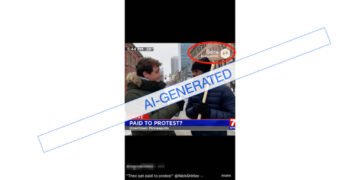
- Claims of paid protesters circulating on social media have been debunked, with several identified as AI-generated or recycled conspiracy theories.
Full Report
Local Activism and Community Response
Minnesotans have passionately responded to the presence of Immigration and Customs Enforcement (ICE) in their communities. Despite Trump’s characterization of the protests as orchestrated, many activists emphasize their genuine concerns about federal immigration practices.
Historian Yohuru Williams from the University of St. Thomas confirmed that most protesters are state residents concerned about both ICE’s operations and what they perceive as an abuse of presidential power. Community organizing by various civic and faith-based groups has been pivotal in mobilizing actions against federal immigration efforts. Activities like high school walkouts, marches, and sign-waving demonstrations have been commonplace.
Local businesses and community leaders have also shown support for these movements. For instance, a local store collected supplies for affected families, and restaurants featured special menu items to raise funds for immigrant rights initiatives. Volunteers across the Twin Cities have organized trainings on how to appropriately respond to ICE enforcement, highlighting a committed grassroots response.
The Dismissal of Paid Protest Claims
Despite Trump’s assertions, experts maintain that the demonstrations are largely made up of locals acting on their convictions. Critics argue that the label of "paid protester" serves to delegitimize authentic grassroots activism. Faculty at Michigan State University, along with community organizers, have pointed out that while professional organizers often assist protests, the bulk of participants are not financially incentivized.
Concrete evidence of paid protests has proven elusive. Investigations into claims of financially motivated demonstrations mostly led to either recycled conspiracy theories or dubious social media posts lacking validation. Some viral posts were linked to artificial intelligence or previous unrelated events, demonstrating the challenges in discerning fact from fiction in the current political climate.
Context & Previous Events
The protests in Minnesota follow a pattern of accusations regarding paid demonstrators associated with various movements over the years. Similar claims were made during high-profile protests, including those related to the Black Lives Matter movement and others critical of federal policies. Historically, such narratives have often been employed to marginalize dissenting voices and distort the reality of community-led activism.
In conclusion, as the narrative unfolds in Minnesota, it is essential to recognize the local context and the genuine motivations driving residents to speak out against actions they deem unjust, regardless of the political rhetoric framing their efforts.