






















Operation Metro Surge Faces Increased Scrutiny in Minnesota
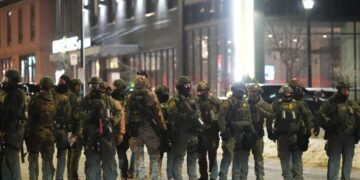
In a contentious escalation of federal immigration enforcement, thousands of agents have flooded the streets of Minnesota’s Twin Cities as part of Operation Metro Surge. The situation is drawing increasing backlash from state officials and citizens following recent violent incidents involving federal agents.
Why It Matters
The deployment of federal immigration officers has ignited protests and legal challenges in Minnesota, raising serious questions about the impact of aggressive immigration policies on local communities. The situation underscores a significant clash between state leadership and the federal government’s approach, affecting public safety and community trust in law enforcement.
Key Developments
- President Trump agreed to consider scaling back the number of federal agents in Minnesota after discussions with Governor Tim Walz and Minneapolis Mayor Jacob Frey.
- Trump-appointed Border Patrol Chief Gregory Bovino, who has faced criticism following the shooting of two civilians, is set to leave the state.
- Minnesota’s state officials have filed for an immediate restraining order to end the current surge of federal immigration agents and to revert to pre-surge operational levels.
- The state is struggling to gain access to evidence related to the shooting of one of the victims, Alex Pretti, which it contends hampers accountability efforts.
Full Report
Increased Federal Presence
Operation Metro Surge has sent a considerable number of federal immigration officers into the Twin Cities, prompting statewide unrest and protests aimed at the Trump administration’s tactics. The protests gained momentum following the fatal shooting of two American citizens by federal immigration agents, escalating tensions between the local community and federal enforcement efforts.
During a recent interview, Governor Walz characterized his dialogue with President Trump as showing a "more collaborative tone." He indicated that the president would consider reducing the federal presence, a development welcomed by local leaders.
Controversial Leadership Under Scrutiny
The operation has been led by Gregory Bovino, whose tenure has been marked by controversy. He defended the actions of the agents involved in the deadly shootings, claiming without evidence that Pretti had threatened federal personnel. These remarks have been met with public skepticism, particularly given that eyewitness accounts challenge his narrative.
In light of the backlash, Bovino is expected to step down, a move that many hope will alleviate some of the tensions in Minneapolis, which has witnessed ongoing, albeit peaceful, protests.
Legal Action and Political Ramifications
In response to the heightened federal activity, Minnesota’s Attorney General Keith Ellison announced the state’s attempt to halt Operation Metro Surge through legal channels. He described the operation as the largest deployment of immigration officers in a concentrated area without apparent justification.
The state is also seeking access to crucial evidence related to Pretti’s death. Officials argue they have been obstructed from accessing the scene, prompting legal strategies to challenge the federal government’s control over the situation.
In recent court proceedings, the judge overseeing the case, Katherine Menendez, did not grant an immediate restraining order but has requested additional information from the Trump administration to assess the situation further.
Context & Previous Events
The release of a letter from U.S. Attorney General Pam Bondi prompted backlash from state officials, who described it as a "ransom note" offering to end the current surge in exchange for access to voter registration records. The federal representatives argued that without the state’s sanctuary policies, fewer immigration officers would need to be deployed.






