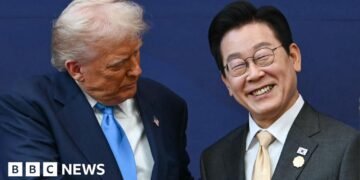























Trump Increases Tariffs on South Korean Imports to 25%
In a move that intensifies trade tensions, U.S. President Donald Trump has announced a significant hike in tariffs on imports from South Korea, raising them to 25%. This decision follows accusations that South Korea has failed to adhere to a trade agreement established last year.
The increase, set to take effect across a variety of products, including automobiles and pharmaceuticals, underscores the ongoing complexities in U.S.-South Korea trade relations and hints at broader implications for international commerce.
Why It Matters
This tariff escalation could adversely affect American companies, which will now incur a higher tax on imported goods from South Korea. The announcement comes at a critical juncture in bilateral trade discussions, potentially disrupting the $350 billion investment commitment South Korea made to the U.S. last October. The situation also raises questions about the effectiveness of the current administration’s trade policies and their repercussions on global partnerships.
Key Developments
- Trump announced the increase in tariffs from 15% to 25% on South Korean imports, citing a lack of compliance with a trade deal.
- The increase will impact various sectors, notably automobiles, lumber, and pharmaceuticals.
- South Korea’s Industry Minister is set to meet with U.S. Commerce Secretary Howard Lutnick to discuss the tariffs.
- The initial trade agreement was reached last October, promising a substantial investment from South Korea in the U.S.
Full Report
President Trump took to social media to declare the rise in tariffs, emphasizing that the decision stems from dissatisfaction with the progress of South Korea’s legislative body in approving the trade agreement. He criticized South Korean lawmakers for their slow pace compared to the swift actions taken by the U.S. to lower its tariffs as per the deal.
In response, South Korea expressed its surprise at the announcement, stating it had not received official notification regarding the tariff increase. The South Korean government is calling for immediate negotiations with Washington to address the implications of the increased levies. In light of these developments, Industry Minister Kim Jung-kwan, currently in Canada, plans to travel to Washington for urgent discussions.
The original trade agreement, negotiated last year, included South Korea’s commitment to invest $350 billion in the U.S. economy, targeting areas such as shipbuilding. This deal has been under review by the South Korean National Assembly since November 26 and is expected to be ratified in February.
Following the tariff announcement, the potential impact on U.S. companies importing South Korean goods could be substantial, as they will face a 25% tax on purchases. Trump has frequently utilized tariffs as a tool in his foreign policy, including threats against Canada related to trade with China.
Context & Previous Events
The trade deal between the U.S. and South Korea was established last year, which encompassed a commitment for investment aimed to bolster the American economy. Historically, Trump has engaged in tariff discussions with multiple nations, leveraging trade policies to influence international relationships, notably with Canada and the UK regarding various geopolitical concerns.