






















Frigid Winter Storm Blankets Much of the U.S., Leaving Ongoing Hazards
Bitterly cold temperatures and hazardous conditions are gripping vast areas of the United States following a significant winter storm. With reports of at least 18 fatalities linked to the severe weather, millions of Americans are facing outages, treacherous road conditions, and disruptions to air travel.
Why It Matters
The storm has impacted nearly half of the nation’s population, highlighting the far-reaching consequences of extreme weather. As power outages and icy conditions persist, officials are urging residents to take precautions to safeguard their health and safety, particularly those left without heat during the dangerously low temperatures.
Key Developments
- The National Weather Service forecasts continued record-low temperatures across the eastern United States.
- Over 800,000 homes and businesses remain without electricity due to ice-laden power lines.
- Airlines faced massive disruptions, with over 12,000 flight cancellations on Sunday alone.
- Kentucky and Mississippi officials are mobilizing resources to aid affected residents.
- Multiple states are experiencing significant snow accumulation, with Massachusetts receiving over 20 inches.
Full Report
Ongoing Weather Conditions
The winter storm has left a path of destruction, covering regions from New Mexico to the eastern seaboard in a mix of ice, sleet, and snow. The National Weather Service warns that the cold snap will continue, with sub-zero temperatures expected in many areas each morning. As conditions remain severe, many residents are facing extended periods without power.
Impact on Power and Utilities
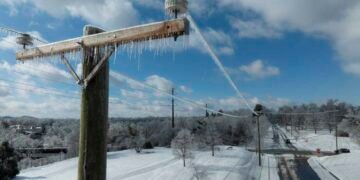
In the South, ice-covered trees and power lines have contributed to widespread outages, with more than a million customers affected at the storm’s peak. Crews are struggling to restore electricity, with the utility companies noting the persistent risk posed by falling trees as restoration efforts continue.
Middle Tennessee Electric aptly described the situation, stating that crews have been "fighting tree after tree," indicating the ongoing challenges in the field. State officials are urging residents to avoid travel, as slippery and dangerous road conditions could remain for several days.
State Responses and Emergency Measures
Reports from governors across the affected states highlight the urgency of the situation. In Kentucky, Governor Andy Beshear emphasized the need for residents without power to seek warming centers. Meanwhile, in Mississippi, state emergency officials are actively distributing essential supplies such as generators and blankets to help those in need.
Massachusetts is grappling with significant snow accumulation, prompting widespread school and government office closures. Governor Maura Healey reminded citizens to take the storm seriously despite the regional reputation for resilience.
Aviation Disruptions
The severe weather has wreaked havoc on air travel, as evidenced by the record number of flight cancellations. More than 12,000 flights were canceled on Sunday alone— the highest total seen since the onset of the pandemic. LaGuardia Airport in New York temporarily shut down all operations on Sunday afternoon amidst the storm’s fury. Tragically, a recent plane crash in Bangor, Maine, during the storm resulted in seven fatalities.
Context & Previous Events
This winter storm marks a significant weather event affecting large parts of the United States, with extensive cold fronts and accumulation continuing to create challenges. States are grappling with logistics to provide essential services and resources to residents facing power outages and extreme temperatures. Emergency management efforts are underway across multiple states to ensure public safety amid this challenging climate.






