






















Political Violence Hits American Politics: Far-Left Network Criticized Amid Unrest
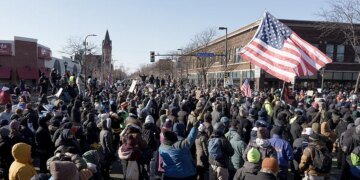
Good morning. A wave of political violence has recently struck the United States, affecting both liberal and conservative factions, as the nation grapples with rising tensions surrounding social issues and law enforcement. The deadly shooting of a nurse in Minneapolis has intensified discussions on political extremism and governmental responses, prompting reactions from prominent political figures.
Why It Matters
The recent surge in political violence underscores a critical juncture in American society, where rising tensions could threaten public safety and the integrity of political dialogue. The implications are profound; as attacks escalate, both public trust in governance and community relations may deteriorate. The unrest in Minneapolis has sparked national discussions about law enforcement, immigration, and political activism.
Key Developments
-
Federal Review Confirmed: Former President Donald Trump has confirmed that the federal government is reviewing the circumstances surrounding the Minneapolis shooting that claimed a nurse’s life.
-
Critical Responses: Bill Clinton has publicly condemned the situation, labeling the scenes in Minneapolis as ‘horrible’ and urging for accountability and resolution.
-
Political Attacks: A wave of violent incidents has been reported, prompting a reevaluation of political rhetoric and public safety.
-
Impact on ICE: In a troubling development, violent mobs have been implicated in aiding a criminal escape, resulting in severe injuries to an ICE agent.
- Government Tensions: The looming threat of a government shutdown arises as critical negotiations falter, particularly affecting discussions related to funding packages.
Full Report
Political Landscape Decline
Across the political spectrum, increasing violence has left both sides of the aisle unsettled. Law enforcement officials and civil rights activists are urging a thorough examination of the societal conditions leading to such disturbances. Prominent political figures are being vocal about their concerns, suggesting that inflammatory rhetoric is leading to real-world consequences.
Former President Trump’s acknowledgment of the federal review signals a significant governmental awareness of the events unfolding in Minneapolis, and it stands as a call to action for federal oversight in similar situations nationwide.
Public Outcry and Statements
Clinton’s pointed remarks reflect a growing frustration among American leaders regarding the state of civil discourse and safety. His statement is a part of broader public and media scrutiny aimed at addressing political extremism and its tangible effects on communities.
In parallel, officials from the Department of Homeland Security expressed their frustrations over mischaracterizations from external sources following the shooting. Immigration officials have noted that the current climate is paradoxically marked by a crackdown on immigration while also facing immediate challenges related to public safety.
Context & Previous Events
This surge in violence is not isolated but part of a broader pattern in American politics, where political tensions have escalated markedly in recent years. Recent incidents have raised questions about the motivations behind actions taken by extremist groups and their implications for everyday life in American communities. The situation in Minneapolis has galvanized discussions about the role of law enforcement and their engagement with extremism, as highlighted by officials’ regarding the recent spike in unrest.
As these discussions progress, many Americans are left wondering how best to navigate the evolving political landscape while ensuring the safety and rights of all citizens are preserved.