






















Devastating Floods in Mozambique Displace Thousands Amid Ongoing Rescue Operations
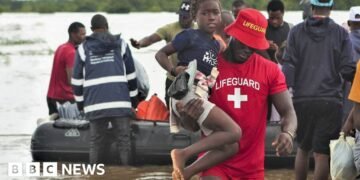
Tens of thousands of residents in Mozambique are being rescued as the nation faces its worst flooding in a generation, following two weeks of relentless rain. Teams from Brazil, South Africa, and the UK have joined local efforts to save lives and evacuate victims from inundated areas.
Why It Matters
This catastrophic flooding not only displaces thousands but also highlights the vulnerability of regions in southern Africa to extreme weather events. The ongoing humanitarian crisis underscores the need for international aid and effective disaster response strategies, as communities grapple with extensive loss of property, livestock, and livelihoods.
Key Developments
- Over 650,000 individuals have been affected since January 7, with 12 confirmed fatalities.
- The flooding has left key transportation routes impassable, leading to shortages of essential goods.
- Aerial footage shows widespread devastation, with many areas submerged and families cut off from access to relief.
- Local officials are particularly concerned about impending water releases from a dam in South Africa, which could worsen the situation.
Full Report
Rescue Operations Underway
Rescue teams have been deployed from various countries, providing critical assistance to those affected by the floods. Tomaz Antonio Mlau, a 24-year-old mechanic from Marracuene, described the harrowing experience of waking to find his home submerged after the Inkomati River overflowed. He, along with his family, had to leave behind all their belongings, escaping to higher ground.
Many of the displaced are currently sheltered in schools and churches, including Gwazamutini Secondary School, which is home to about 4,000 evacuees. Francisco Fernando Chivindzi, a 67-year-old farmer, reported losing everything—his home, livestock, and farm—which has left him and many others in distress.
Ongoing Challenges
Despite being safe, evacuees face significant hardships. Food shortages have been reported in several shelters, with some families subsisting on limited supplies. Aninha Vicente Mivinga, a police officer, expressed concern for her two young children, who have struggled with hunger since arriving at the shelter.
Local authorities, including Marracuene Mayor Shafee Sidat, have acknowledged the ongoing need for rescue efforts, noting that some individuals are reluctant to leave risk-prone areas. These challenges complicate efforts to provide timely relief as floodwaters continue to rise.
Infrastructure Affected
Transportation networks have been severely impacted, with the N1 highway—vital for connecting different regions—now flooded. This has led to price increases for essential items not just in southern Mozambique but also affecting distant areas. Food scarcity remains a pressing issue as communities seek to stabilize in temporary shelters.
Plans for Education
Amid the disaster, education officials are considering delaying the academic year to facilitate the use of schools as temporary housing for flood victims, particularly in the provinces most affected. Mayor Sidat and other leaders are advocating for long-term solutions to prevent future disasters and ensure safe accommodations for displaced families.
Context & Previous Events
The current flooding is reminiscent of similar disasters in Mozambique during the 1990s, as historical records show that extreme weather events have periodically devastated the region. Since the rainy season began in October, at least 125 deaths have been reported across the country, underlining the ongoing risk posed by climate-related events.