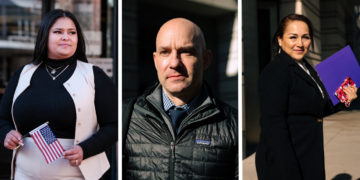























Surge of Naturalization Ceremonies Marks New Chapter for Immigrants
While a harsh winter chill settled over Washington, D.C., excitement filled the air as immigrants from around the globe gathered for naturalization ceremonies. Amid unprecedented changes to the immigration landscape, 103 individuals from 40 different countries took their oaths of citizenship, marking a significant milestone in their journeys towards belonging.
Why It Matters
Naturalization ceremonies represent more than just a legal transformation; they symbolize hope and the pursuit of belonging in America. With significant delays in processing applications and recent changes to immigration policy, these events highlight both the resilience of immigrants and the systemic challenges they face in their quest for citizenship.
Key Developments
- Immigrant Diversity: Recent ceremonies welcomed new citizens from 40 nations, reflecting America’s rich cultural tapestry.
- Processing Challenges: U.S. Citizenship and Immigration Services (USCIS) has paused processing for immigrants from countries under travel restrictions, resulting in a decrease in naturalizations.
- Lower Attendance: The latest ceremony in January saw only 104 new citizens, down from the usual 125, with the upcoming February ceremony already cancelled.
- Emotional Impact: Immigrants expressed joy and relief, sharing stories of long journeys to citizenship.
Full Report
The Joyful Moment
For participants like Florencia Paz, who entered the E. Barrett Prettyman Courthouse with her young children, the moment of taking the oath transcended years of waiting. After 13 years in the U.S., Paz described her naturalization as a profound relief. "I came here to this country by myself, and I became an American in my mind and my heart," she shared, reflecting on her journey.
Systemic Hurdles
Despite the celebrations, the backdrop of ongoing bureaucratic challenges looms large. Barbara Zia, from the League of Women Voters, noted that while 818,000 new citizens were naturalized in the previous fiscal year, the current pace indicates a slowdown. The disruptions extend beyond delays, affecting the morale of immigrant communities.
Economic and Social Considerations
Advocates emphasize that gaining citizenship unlocks better job opportunities, home ownership prospects, and the possibility of participating in elections. Nicole Melaku, executive director of the National Partnership for New Americans, stated that becoming a citizen supports efforts toward inclusion within the larger community.
The Broader Impact of Policy Changes
The naturalization process has faced an increasingly stringent climate under the current administration. A tougher citizenship test was unveiled, and scrutiny over public benefits for immigrants has intensified. Recent executive orders have also led to halting applications for several countries, complicating the path to citizenship for many.
Experiences and Challenges
Zaida Meza, who applied for citizenship after living in the U.S. for 21 years, expressed her determination despite the hurdles. She highlighted the emotional toll and the significant effort needed to navigate the complex system. "I love this country and I want to vote in the federal elections," Meza stated, underscoring the stakes involved.
Context & Previous Events
In fiscal year 2024, over 818,000 individuals became U.S. citizens, highlighting the ongoing commitment of many immigrants. However, recent actions by USCIS have led to significant changes in the naturalization process. This includes the suspension of current applications for nationals from certain countries due to newly implemented travel restrictions and the cancellation of multiple naturalization ceremonies.
As immigrants celebrate their new status, they remain aware of the uncertainty within the system. Events like these serve not only as personal milestones but also as a reminder of the continuing need for a more accessible and fair immigration process in America.






