






















Protests Erupt in Minneapolis Following Fatal Shooting of ICU Nurse
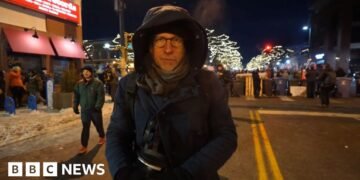
Crowds gathered in Minneapolis on Saturday, braving freezing temperatures to mourn Alex Pretti, an ICU nurse shot dead during an encounter with federal agents. The incident has sparked intense protests, with demonstrators expressing their outrage amidst a growing concern over the use of force by law enforcement.
Why It Matters
The shooting of Alex Pretti is a pivotal event that raises critical questions about federal enforcement tactics and their ramifications for community safety. This incident follows closely on the heels of another shooting in the city involving an immigration agent, highlighting a troubling trend and fueling public anger over perceived systemic issues within law enforcement.
Key Developments
- A large crowd came together in freezing temperatures to pay homage to Alex Pretti near the shooting site.
- Attendees displayed their grief by laying flowers and lighting candles in his memory while chanting his name.
- Emotions ran high as protesters voiced their anger at the circumstances surrounding the shooting.
- Pretti’s death marks the second fatal shooting of a local resident by federal agents within a short time frame.
Full Report
The Minneapolis community has been shaken by the deadly shooting of 37-year-old Alex Pretti, who was killed during an altercation with federal law enforcement agents. As mourners gathered to commemorate Pretti’s life, demonstrators voiced their dissent over the incident, reflecting a broader unease regarding the actions of federal agents in the area.
Many attendees expressed their anger and frustration, calling for accountability and reforms to prevent such tragedies in the future. The emotionally charged atmosphere at the gathering underscored the community’s ongoing concerns about public safety and the perceived excesses of federal law enforcement.
Context & Previous Events
Alex Pretti’s death comes less than three weeks after the shooting of Renee Good by an immigration agent in Minneapolis, raising alarms about the relationship between local communities and federal authorities. These incidents have prompted a renewed dialogue about police practices and community engagement in the pursuit of public safety.