






















India Prepares for 77th Republic Day with European Leaders as Chief Guests
India is poised to celebrate its 77th Republic Day on January 26, marking the anniversary of its adoption of the constitution and its transition to a republic. This year’s festivities will feature European Commission President Ursula von der Leyen and European Council President António Costa as chief guests, underscoring the European Union’s significant role in India’s current diplomatic landscape.
Why It Matters
The selection of chief guests for Republic Day has evolved into a symbolic indicator of India’s foreign policy priorities. With European leaders in attendance this year, India signals a strategic commitment to strengthening ties with the EU, especially amid ongoing trade discussions with the United States.
Key Developments
- The Republic Day parade will take place along Delhi’s central boulevard, with military and cultural displays attracting thousands of spectators.
- This year’s chief guests, von der Leyen and Costa, are set to highlight the EU’s importance in India’s foreign relations.
- The choice of guest reflects India’s ongoing strategy to maintain diplomatic balance, engaging both regional allies and global powers.
Full Report
Ceremonial Highlights
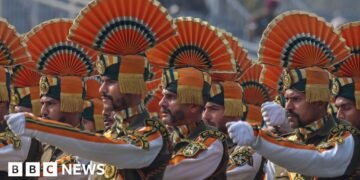
The Republic Day parade transforms the heart of India’s capital into an expansive stage, showcasing military prowess and cultural diversity. Troops will march, armored vehicles will traverse Kartavya Path, and colorful floats will entertain onlookers, both on-site and across the nation via broadcast. The Indian president presides over the event, with the chief guest seated in a position of prominence, often closer than many senior officials.
Significance of Guest Selection
Choosing who serves as chief guest is a matter of nuance and strategy, reflecting India’s foreign policy interests and diplomatic relationships. The tradition dates back to 1950 when Indonesia’s President Sukarno graced India’s first Republic Day parade. Over the years, leaders from neighboring countries and major global powers have attended, revealing shifts in India’s diplomatic focus.
Strategic Implications
The invitation extended to the European leaders this year may indicate an intent to reinforce ties with the EU amid ongoing trade negotiations with the U.S. These discussions, which have been strained due to tariffs and geopolitical tensions, underscore the complex global dynamics shaping India’s interactions. Foreign policy analysts view this gesture as a declaration of priorities, possibly leading to announcements of trade deals that align both entities strategically.
Global Context
Historically, Republic Day has adapted to reflect India’s changing roles in international relations. Engaging leaders from Southeast Asia in 2018 marked a significant milestone, celebrating 25 years of partnerships. The exclusion of leaders from Pakistan, a neighbor with a fraught history, has persisted since 1965, illustrating ongoing tensions that influence invitation lists.
A Unique Celebration
India’s Republic Day stands apart from similar global military displays, which often commemorate wartime victories. Instead, India celebrates the emergence of its constitutional democracy, blending military might with cultural expressions. This combination seeks to project unity in diversity while maintaining a focus on its democratic values.
Context & Previous Events
This tradition of inviting chief guests began shortly after India became a republic, with a focus on fostering relationships with newly independent nations. Key historical figures have included British royalty and leaders from France and Russia, reflecting the evolution of India’s foreign relationships. Additionally, notable absences from the guest list serve as reminders of strained ties, particularly with Pakistan and China, both of which have had complicated histories with India.