






















Minneapolis Faces Political Turmoil Following Fatal ICE Shooting
Minneapolis is in the throes of escalating political unrest following the fatal shooting of Renee Macklin Good by an ICE officer over two weeks ago. The incident has catalyzed protests and legal disputes, spotlighting an ongoing conflict between local and federal authorities in a city already grappling with strained political dynamics.
Why It Matters
This situation underscores a complex web of political tensions at play, accentuated by issues of immigration enforcement and state governance. Good’s death has amplified existing divides, revealing how federal actions can reverberate throughout local communities and influence political careers in the context of national debates on immigration and law enforcement.
Key Developments
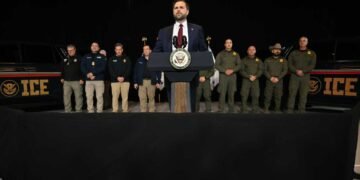
- Vice President JD Vance visited Minneapolis to address the unrest, attributing the chaos specifically to local circumstances and a lack of cooperation between state and federal authorities.
- President Trump has indicated he might invoke the Insurrection Act to regain order in the city, with the Pentagon positioning troops on standby.
- Local officials, including Mayor Jacob Frey, have criticized the federal response as excessive and akin to an invasion.
- Concurrently, allegations of fraud have emerged involving daycare centers in Minnesota, further complicating matters and prompting investigations by federal agencies.
- Tensions have spurred legal challenges from state officials against federal immigration policies.
Full Report
Vance’s Remarks
During a recent visit, Vance attempted to mitigate tensions by placing blame on local governance challenges. He articulated that the unrest in Minneapolis was not mirrored in other liberal cities where federal agents have been deployed. “Maybe the problem is unique to Minneapolis, and we believe that it is,” Vance stated, emphasizing the need for improved cooperation between various levels of law enforcement.
Federal vs. Local Authority
Minneapolis leaders have likened the federal government’s actions to an invasion, with Mayor Frey expressing that the situation involves more than just issues of crime—it’s about the fabric of community safety and governance. This sentiment is echoed by many residents who report feeling unsafe amid the increased federal presence.
Fraud Allegations and Political Fallout
The unrest follows federal scrutiny concerning alleged fraud within Minnesota’s daycare funding, particularly targeting organizations run by Somali Americans. The White House has labeled these claims as a top priority for the administration. Minnesota Gov. Tim Walz criticized this move as politically motivated, suggesting it was part of a broader strategy by the Trump administration to attack political opponents.
Response from Lawmakers
In light of recent events, Gov. Walz has announced he will withdraw from the gubernatorial race to focus on addressing issues of fraud in the state, a significant shift that reflects the mounting pressure from federal investigations. Political analysts suggest this maneuver may have broader implications for Walz’s political future and the Democratic Party in Minnesota.
Context & Previous Events
Minneapolis has been the focal point of several violent incidents in recent months, including a mass shooting at a Catholic school and the assassination of Minnesota state lawmaker Melissa Hortman. The fatal shooting of Good has spurred discussions about the larger implications of federal immigration enforcement, especially given its proximity to a substantial Somali community in Minnesota. Historically, the state has faced allegations of social services fraud, adding another layer to the ongoing tensions involving immigration policies and local governance.






