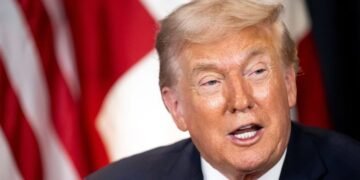























Trump’s Ambitious Board of Peace Faces Skepticism from Global Leaders
The recent launch of Donald Trump’s “Board of Peace” has stirred significant international debate as some world leaders express concern over its potential to undermine the United Nations. Originally intended to oversee a ceasefire in Gaza, the initiative has expanded in scope, leading to a host of unanswered questions regarding its authority and mission.
Why It Matters
The establishment of the Board of Peace raises critical questions about the future of global governance and diplomacy. As nations grapple with ongoing conflicts and the effectiveness of established international organizations like the UN, Trump’s proposal could alter the existing power dynamics and challenge the traditional framework of international relations.
Key Developments
- Trump invited approximately 60 nations to join the Board of Peace, with a substantial financial commitment required for permanent membership.
- The board was initially aimed at overseeing the ceasefire in Gaza but has evolved to tackle broader global issues.
- Key figures, including Secretary of State Marco Rubio and former British Prime Minister Tony Blair, are set to be part of the founding executive board.
- While 35 countries have shown interest, notable absentees include several European nations, indicating a divide in international support.
- The initiative has faced criticism for potentially encroaching on UN responsibilities and inviting controversial leaders like Vladimir Putin.
Full Report
Launch of the Board of Peace
At an event in Davos, Trump proclaimed a “very exciting day” as he encouraged world leaders to sign the charter for the Board of Peace. He will serve as its inaugural chairman, a position he is expected to hold indefinitely. The cost for nations wishing to become permanent members is pegged at one billion dollars each.
Global Invitations and Participation
While the board originally focused on establishing peace in Gaza, it is now being presented as a platform for addressing various global conflicts. Figures from nations such as Israel, Saudi Arabia, and the United Arab Emirates have expressed their intent to participate. However, skepticism surrounds the motives and the structure of the board, with areas of concern about the inclusion of authoritarian leaders.
International Reactions
Some nations have embraced the opportunity, including regional allies and nations with favorable ties to the United States. However, European countries like France, Norway, and Sweden have declined their invitations, citing concerns over undermining international norms and potential implications for the UN’s role in global affairs.
The United Nations and Global Governance
Critically, Trump has suggested that the Board of Peace could replace some functions of the UN, which he has criticized for being ineffective. While he acknowledges the UN’s potential, doubts surrounding its performance have fueled the push for an alternative body. However, many world leaders are wary of an initiative that could destabilize existing frameworks for international cooperation.
Context & Previous Events
The Board of Peace was initially proposed by Trump in September as part of a bid to end hostilities in Gaza. The UN Security Council had previously authorized its mandate and the deployment of a temporary force to oversee the ceasefire established last year. The ongoing situation in Gaza remains fragile, with continued violence reported despite the ceasefire arrangements.
In summary, Trump’s Board of Peace presents an ambitious yet controversial alternative to traditional diplomatic efforts, raising questions about its potential success and the responses it elicits from the global community.






