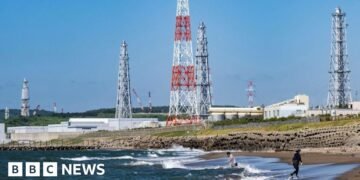























Japan Restarts World’s Largest Nuclear Power Plant Amid Ongoing Safety Concerns
Japan has officially restarted operations at the Kashiwazaki-Kariwa Nuclear Power Plant, the world’s largest nuclear facility. This marks a significant step in the country’s energy strategy as it moves forward after more than a decade of hesitancy following the catastrophic Fukushima disaster in 2011. The restart of reactor number 6, however, has been met with mixed reactions from local residents who remain concerned about safety.
Why It Matters
The restart of Kashiwazaki-Kariwa is crucial for Japan’s energy independence and climate commitments as the nation seeks to reduce its carbon emissions by 2050. Following the Fukushima incident, public trust in nuclear energy plummeted, making any movement towards resuming nuclear operations contentious and fraught with challenges. The plant’s reactivation signifies a pivotal moment in Japan’s energy policy after years of reliance on energy imports.
Key Developments
- Reactor number 6 at the Kashiwazaki-Kariwa nuclear facility resumed operation after a brief delay due to an alarm malfunction.
- Japan has restarted 15 of its 33 operable reactors since 2015, aiming for nuclear energy to account for 20% of electricity needs by 2040.
- Local safety concerns persist, evidenced by protests outside the plant and Tepco’s headquarters prior to the restart.
- Multiple safety and compliance scandals have marred public trust in Tepco, the plant’s operator.
Full Report
Restart of Reactor Number 6
After a temporary setback due to an alarm malfunction, Japan has restarted reactor number 6 at the Kashiwazaki-Kariwa plant, with commercial operations expected to begin next month. This facility, located north-west of Tokyo, represents a crucial element of Japan’s strategy to enhance energy self-sufficiency, particularly as demand for energy is projected to rise.
Public Resistance and Safety Concerns
Despite the restart, local residents have vocalized their apprehensions about the potential dangers associated with nuclear power. Recent protests indicate a community deeply affected by the legacy of the Fukushima disaster. Demonstrators have expressed concerns that another nuclear incident could have dire consequences for their safety and livelihood.
Tepco’s Operational Challenges
The Tokyo Electric Power Company (Tepco), which operates the Kashiwazaki-Kariwa plant, faces ongoing scrutiny following several incidents that raised alarms about safety management. In 2023, the company reported losing documents containing sensitive information and mishandling other confidential records. The Nuclear Regulation Authority (NRA) has been actively monitoring these situations, and community trust remains low.
Policies and Economic Factors
The rising costs of nuclear operation due to new safety requirements present financial challenges. Experts predict that the choice between government subsidies and increased consumer energy bills could further complicate Japan’s energy landscape. As nuclear power becomes more expensive, the government is faced with the dilemma of adhering to its narrative of affordability while maintaining safety standards established post-Fukushima.
Context & Previous Events
Following the devastating Fukushima disaster in 2011, which led to the meltdown of reactors after a powerful earthquake and tsunami, Japan shut down all 54 of its nuclear reactors. This decision marked a significant shift in national energy policy. Over the past decade, the country has made efforts to revive its nuclear sector, albeit with a cautious approach, emphasizing safety and community engagement. The Kashiwazaki-Kariwa plant’s current reactivation is part of a broader strategy to return to nuclear power, which historically supplied nearly 30% of Japan’s electricity, before targeting a reduced goal of 20% by 2040.