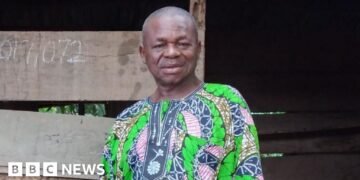























Celebrating the Legacy of Kasali Akangbe Ogun: A Master Wood Carver
The art world mourns the loss of Kasali Akangbe Ogun, a renowned Nigerian wood carver, who passed away last week following a brief illness. Known for his distinctive style and dedication to Yoruba culture, Ogun’s influence extended far beyond Nigeria, embodying a rich tapestry of tradition and modern artistry.
Why It Matters
Ogun was not just a wood carver but an essential figure in the preservation of Yoruba heritage and spirituality. His artistry transcended mere craftsmanship, becoming a means of cultural communication and environmental conservation. By safeguarding the sacred Osun Forest, Ogun’s work contributed significantly to the cultural identity of the Yoruba people, making his passing a significant loss to both local communities and the global art scene.
Key Developments
- Kasali Akangbe Ogun was laid to rest following his passing last week.
- He hailed from a long lineage of wood carvers in the Yoruba tradition, making a name for himself globally while highlighting his cultural roots.
- Ogun was instrumental in the New Sacred Art Movement, aimed at protecting the Osun Forest and celebrating Yoruba cosmology.
- His artwork, characterized by elongated faces and dynamic forms, reflects a deep spiritual connection to the Yoruba culture.
- Ogun’s talent earned him exhibitions at prestigious venues, including Tate Modern and the National Black Theatre in Harlem.
Full Report
A Legacy of Art and Spirituality
Kasali Akangbe Ogun, who was believed to be born around 1945 into the Arelagbayi lineage, revitalized the ancient craft of wood carving. He became one of the key figures representing the New Sacred Art Movement, established in the 1960s by Austrian-Nigerian artist Susanne Wenger. This movement was designed to protect the Osun Forest and its vital ecosystem, reflecting a blend of artistic expression and ecological responsibility. His unique style, recognized for its lean and elongated figures, offered a modern interpretation of traditional Yoruba art.
In a 2020 visit, Ogun expressed a profound commitment to environmental preservation, stating, "We will continue to plant trees because heritage must not be left naked." His efforts contributed to the Osun Grove’s designation as a UNESCO World Heritage Site in 2005, further cementing its cultural significance to the Yoruba community.
Exhibitions and Global Recognition
Ogun’s work was showcased in various exhibitions around the world, including the Nigerian Modernism exhibition at Tate Modern, where curator Osei Bonsu noted the spiritual depth in his craftsmanship. He contributed immense cultural value through various installations and sculptures dedicated to Yoruba deities, solidifying his reputation as a vital voice in both art and community engagement.
Historian Siyan Oyeweso highlighted Osogbo’s role in nurturing artistic talent, indicating that Ogun’s legacy is intertwined with the vibrant artistic community that surrounds the Osun Osogbo Festival, a significant cultural celebration that attracts thousands.
Personal Reflections and Influence
Despite his acclaim, Ogun led a modest life, emphasizing his desire to preserve the traditional setting of his community in Osogbo. He took great pride in passing down his craft, stating, "What pleases me the most is that my children have learned the wood carving art; they have inherited the legacy." Ogun’s artistry has left behind an indelible mark, resonating with profound themes of identity, spirituality, and cultural preservation.
Among those mourning his loss is Wayne Barrow, the manager for American hip hop icon The Notorious B.I.G., who paid tribute to Ogun’s strength and commitment to sharing his gifts.
Context & Previous Events
Kasali Akangbe Ogun’s early life was greatly influenced by his familial background in wood carving. Although he only attended primary school briefly due to his father’s death, he honed his artistic skills and became a respected figure in both the local and international art communities. His vigorous participation in protecting the sacred Osun ecosystem and his contributions to the New Sacred Art Movement reflect a lifelong dedication to his heritage and community.
With his passing, the art community not only loses a master craftsman but also a passionate advocate for Yoruba culture and environmental stewardship.