






















A New Era of Martyrdom: Episcopal Bishop Prepares Clergy Following Fatal Shooting
A New Hampshire Episcopal bishop is urging clergy members to prepare their wills in response to a call for vigilance amid escalating tensions involving immigration enforcement. Bishop Rob Hirschfeld’s remarks come following the tragic shooting of Renee Good, a woman killed by a federal immigration agent, raising concerns among religious leaders about the growing risks faced by those advocating for vulnerable populations.
Why It Matters
This incident highlights the dangerous intersection of faith, activism, and immigration enforcement in the United States. As communities grapple with the implications of aggressive immigration policies, the calls from religious leaders to protect the vulnerable serve as a moral rallying point for many amid rising fears of violence and repression.
Key Developments
- Bishop Rob Hirschfeld advised New Hampshire clergy to finalize their wills, indicating a potential shift towards active resistance against immigration enforcement.
- Renee Good was fatally shot by an ICE officer while allegedly obstructing immigration operations; differing narratives surrounding her actions continue to emerge.
- Historical precedents were cited by Hirschfeld, including the sacrifice of Jonathan Daniels, a civil rights activist who died shielding a young Black man from violence.
- Other religious leaders, including the Most Rev. Sean W. Rowe, emphasized the necessity of supporting immigrants and refugees as integral to their faith communities.
Full Report
A Call to Prepare
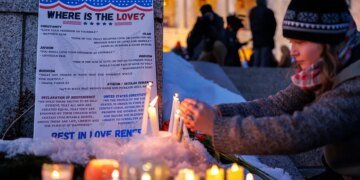
During a recent vigil, Bishop Hirschfeld expressed concern that clergy may face increasingly perilous situations, urging them to prepare for a time when standing up for the vulnerable may carry new risks. “I’ve asked them to get their affairs in order…because it may be that now is no longer the time for statements, but for us with our bodies, to stand between the powers of this world and the most vulnerable,” he stated.
Details of the Incident
Renee Good was shot by a U.S. Immigration and Customs Enforcement (ICE) agent on January 7 while in her vehicle. Authorities allege she attempted to ram the agent, while numerous local officials and critics dispute this account based on video evidence. Following Good’s death, protests erupted and religious leaders called for a reassessment of immigration enforcement tactics.
Community Responses
In Minnesota, Rt. Rev. Craig Loya joined voices advocating against hatred and for love-driven activism, stating, “We are going to disrupt with Jesus’ hope. We are going agitate with Jesus’ love.” This sentiment reflects a larger movement among religious communities to publicly resist policies seen as harmful to immigrants.
Broader Implications
Critics of ICE’s practices continue to draw attention to the stark realities faced by immigrants, labeling protests as acts of compassion rather than opposition. Rev. Dana Neuhauser underscored the necessity of advocacy, noting the emotional toll on communities affected by immigration enforcement.
Context & Previous Events
The historical context highlighted by Bishop Hirschfeld references significant acts of civil disobedience within religious communities, including the actions of Jonathan Daniels, who was killed in Alabama during the civil rights movement while attempting to protect another individual. This legacy remains influential in current discussions about the role of faith in activism.






