






















The Artemis II Mission Takes a Significant Step Forward
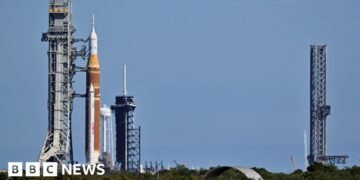
The Space Launch System (SLS) Moon rocket and the Orion Space Capsule have begun their final preparations for launch, moving from NASA’s Kennedy Space Center in Florida to a designated launch pad approximately four miles away. The transfer, executed with extreme care, proceeded at a slow speed of 0.82 mph, completing the journey in nearly 12 hours.
This development is crucial as it marks another milestone for NASA’s Artemis II mission, paving the way for humankind’s return to the Moon and potential future exploration beyond. Scheduled for its earliest launch on February 6, the mission aims to take its crew of four farther into space than any astronauts have ventured before, setting the stage for a historic human landing on the lunar surface for the first time since the Apollo missions in 1972.
Key Developments
- The SLS rocket and Orion Capsule were carefully transported to a launch pad about four miles from Kennedy Space Center.
- The slow transport speed was maintained at 0.82 mph, taking nearly 12 hours to complete.
- Artemis II is slated for launch on or after February 6.
- The mission is expected to push the boundaries of human space travel, with astronauts traveling farther than ever before.
Full Report
Mission Objectives
The Artemis II mission is designed to prepare for a new era of lunar exploration, seeking to establish a sustainable human presence on the Moon. It will build on the foundational technologies and procedures implemented in previous missions.
Preparation and Transport
The careful relocation of the SLS and Orion was crucial to ensure the integrity of the systems amidst the complexities of transportation. This meticulous process reflects NASA’s commitment to safety and precision as they gear up for the upcoming launch.
Future Implications
With the Artemis II mission, NASA aims to demonstrate the viability of deeper space exploration, charting a pathway for future manned missions. Successful execution of this mission could pave the way for humanity’s first return to the lunar surface since 1972, marking a significant achievement in space exploration history.
Context & Previous Events
The Artemis II mission is part of NASA’s broader Artemis program, which aims to return humans to the Moon and establish a long-term presence there as a stepping stone for future missions to Mars. This upcoming mission builds on the successes of the Artemis I mission, an uncrewed test flight of the SLS and Orion that was successfully completed, demonstrating the systems’ readiness for human spaceflight.






