






















Trump Proposes $1 Billion Fee for Permanent Membership on New Board of Peace
The unveiling of a U.S.-backed Board of Peace has stirred international dialogue, with reports suggesting that nations must pay $1 billion to secure permanent membership. The initiative is expected to play a pivotal role in the ongoing Gaza peace process, although tensions have already surfaced as Israel claims it was not consulted on the board’s formation.
Why It Matters
The proposal for financial contributions from nations highlights the increasing complexities surrounding international diplomacy and conflict resolution in Gaza. With a recent surge in violence and casualties, a clear and coordinated peace effort is more crucial than ever. This initiative aims not only to stabilize Gaza but also to potentially address broader conflicts in the region.
Key Developments
-
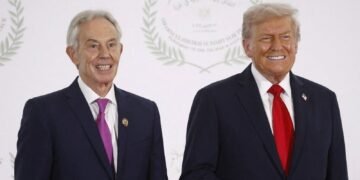
Board Composition: The Board of Peace will be chaired by Donald Trump and will consist of 11 founding members, including notable figures such as U.S. Secretary of State Marco Rubio and former British Prime Minister Tony Blair.
-
Global Outreach: The U.S. administration has reached out to approximately 60 countries about contributing $1 billion to maintain their board membership beyond three years—according to a draft charter accessed by Reuters.
-
Controversy Over Membership: Despite Israel’s opposition, Turkish Foreign Minister Hakan Fidan has been included in the executive board, which has raised concerns.
-
Additional Members: The board will also feature Trump’s special envoy for the Middle East, Steve Witkoff; Trump’s son-in-law, Jared Kushner; and significant international figures from various sectors, including Ajay Banga, president of the World Bank. Leaders from Jordan, Egypt, Turkey, Canada, France, Germany, and Australia have also been invited.
-
Security Operations: Major General Jasper Jeffers will lead an International Stabilisation Force, tasked with ensuring security, overseeing demilitarization efforts, and facilitating humanitarian aid deliveries.
- Future Aspirations: Trump has expressed ambitious goals for the board, indicating intentions to address other global conflicts after stabilizing the situation in Gaza.
Full Report
Formation of the Board
The Board of Peace, announced by the White House on Friday, aims to oversee Gaza’s transitional administration amid ongoing efforts to stabilize the region. The board’s creation has been met with skepticism, especially from the Israeli government, which asserts that it was not involved in the discussions leading to its formation. Israeli Foreign Minister Gideon Saar is expected to raise these concerns with U.S. Secretary of State Marco Rubio.
Financial Framework
As part of its operational model, the board aims to charge countries $1 billion for permanent membership. This unprecedented approach signals a new phase in international diplomacy and raises questions about the feasibility of such financial commitments from nations. The draft charter suggests that without this payment, membership would be limited to a three-year term.
Leadership and Objectives
The founding executive board comprises a diverse range of individuals, including political leaders and economic stakeholders. This assembly reflects a multi-faceted strategy for peace, combining diplomatic, economic, and humanitarian efforts. Trump’s characterization of the board as “the Greatest and Most Prestigious” suggests a commitment to high-profile diplomacy.
Context & Previous Events
This announcement follows decades of strife in the region, exacerbated by a recent escalation of violence, including a surprise attack by Hamas in October 2023 that resulted in significant casualties. An Israeli military response led to a protracted conflict that lasted two years and significantly impacted Gaza’s civilian population. The region entered a fragile ceasefire in October 2025, yet lasting peace remains elusive amid continuing tensions. The Board of Peace seeks to divert from this cycle of violence and implement long-term stability.