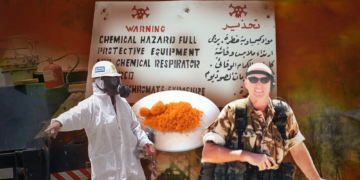























British Veterans Exposed to Toxic Chemical in Iraq Raise Alarms Over Health Risks
British military veterans who served in Iraq are sounding the alarm about serious health issues linked to their exposure to sodium dichromate, a highly toxic chemical, during their deployment at the Qarmat Ali water treatment plant two decades ago. Despite warnings from health authorities about the potential dangers, many veterans report that they were never offered medical screenings to assess the effects of this exposure.
Why It Matters
This situation highlights serious concerns regarding military oversight and veterans’ health support. With several former service members experiencing long-term health complications—including various forms of cancer—calls are mounting for accountability and comprehensive healthcare access for those affected. The implications of this exposure not only affect individual lives but also question the military’s commitment to safeguarding its personnel.
Key Developments
- Veterans exposed to sodium dichromate at Qarmat Ali report unaddressed health issues, including cancer and skin conditions.
- An internal RAF letter reveals officials recognized the cancer risks linked to the chemical as early as November 2003, recommending biological screenings for affected personnel.
- Fifteen veterans interviewed stated they were never offered any screenings or ongoing medical care.
- Despite the Ministry of Defence’s assertions that screenings were provided, veterans insist they were not notified of the risks during or after their deployment.
- No formal investigation into the veterans’ exposure has taken place, further fueling their frustrations.
Full Report
Health Complications and Veteran Experiences
Many veterans from the Qarmat Ali site have reported debilitating health issues in the years following their service. Pete Lewis, age 53, has undergone multiple surgeries related to skin cancer and speaks of a “constant fight” against the disease. Other veterans describe similar experiences, with some highlighting a worrying trend of chronic illnesses developing post-deployment.
Jon Caunt recalls that soldiers were never informed about the chemical hazards present at the site. “We were breathing this stuff in,” he said, noting that glaring signs warning of chemical hazards only appeared months after their deployment. This lack of information has left many feeling betrayed by the military.
Official Responses and Calls for Accountability
The Ministry of Defence has publicly denied claims that medical screenings were not offered. They stated that the exposure levels at Qarmat Ali were within government guidelines. However, internal documents suggest that prior to cleanup efforts at the site, contamination levels could have been significantly higher.
Following Sky News coverage, some veterans have met with government officials, but concrete action remains elusive. “We still feel let down now,” said Jim Garth, summing up the frustrations of many veterans regarding the lack of acknowledgment and support from officials.
Comparative Support for U.S. Veterans
In contrast to British veterans, around 830 U.S. personnel deployed to Qarmat Ali have access to specialized support through the Department of Veterans Affairs following an inquiry into their exposure to the same toxic chemicals. This disparity raises additional concerns regarding how different nations treat their veterans affected by similar health risks.
Context & Previous Events
The Qarmat Ali water treatment plant became a focal point during the Iraq War, with British troops assigned to secure the site in 2003. Over the years, some veterans have experienced a variety of health issues, which they believe are directly linked to their exposure to sodium dichromate, a chemical classified as a Class A carcinogen. An internal RAF memorandum acknowledged the potential long-term health impacts associated with this exposure but failed to translate that awareness into timely action for the affected personnel.