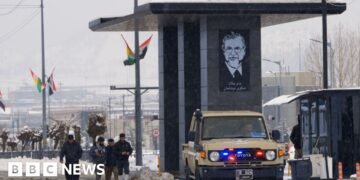























Tensions Persist at Iran-Iraq Border Amid Ongoing Protests in Iran
As the Iranian regime intensifies its crackdown on domestic protests, reports reveal ongoing demonstrations and significant unrest within Iran, highlighted by the steadily crossing traffic at the Iran-Iraq border. While the Iranian government enforces severe internet blackouts, individuals continue to flee to Iraqi Kurdistan, in a situation that underscores the growing tensions within the nation’s sociopolitical landscape.
Why It Matters
The ongoing protests in Iran signify broader social discontent, driven by a combination of economic hardship and political repression. This latest wave of unrest not only presents challenges for the Iranian government but also raises questions regarding regional stability and international responses to the regime’s actions. The situation remains critical as hundreds of lives hang in the balance amidst government repression.
Key Developments
- Iranian authorities have imposed an internet shutdown and blocked calls, yet border crossings remain open.
- Reports suggest that protests have persisted, despite severe suppressive measures.
- Many individuals crossing into Iraqi Kurdistan speak of hostility from the regime, detailing injuries from government forces.
- The economic crisis continues to fuel dissatisfaction among Iranians, with complaints about basic living conditions.
Full Report
Crossing the Border
At the border between Iran and Iraqi Kurdistan, the air is thick with snow as individuals navigate the remote crossing. Among them, many are traveling to visit family, with some remaining tight-lipped about their reasons for leaving Iran amid the ongoing upheaval.
Individuals met at the border shared harrowing accounts of violence suffered during recent protests. One man, who requested anonymity, spoke of being shot with pellet rounds during a demonstration in central Iran. He displayed multiple injuries on his face, expressing fear of arrest should he seek medical treatment.
Ongoing Protests
Witnesses from within Iran assert that protests have not ceased, with reports of gatherings in various towns. One protester recounted ongoing demonstrations occurring in regions like Fardis and Malard, despite a heavy police presence intent on suppressing dissent. However, current media restrictions and an information blackout make it challenging to verify these claims.
Economic Woes
Economic distress plays a critical role in the unrest. One teacher noted her struggles to afford basic necessities, revealing a salary that only lasts ten days. "We just want our basic rights," she explained, emphasizing her desire for stability and improved living conditions. The dire economic situation remains a significant factor driving the protests.
Government Response
The Iranian regime’s strong reaction to the protests highlights a perceived threat to its authority. In recent weeks, rights organizations have reported approximately 2,500 fatalities linked to the government’s violent repressive tactics. Despite the clampdown, the authorities remain cautious, suggesting that the protests stem not only from political discontent but also from a deeply rooted economic crisis.
Context & Previous Events
The Iranian government’s recent actions follow a series of protests that have been framed as existential threats by regime leaders. Economic issues, coupled with severe restrictions on freedoms and rights, have led to heightened tensions within the country. The history of civil unrest, compounded by external pressures from conflicts in the region, has left the regime facing significant vulnerabilities in its authority and capability to maintain control.