






















Uncertainty Surrounds Phase Two of Trump’s Gaza Peace Plan
The unveiling of phase two of President Donald Trump’s peace initiative for Gaza appears to signal a potential step forward. However, significant ambiguities linger concerning the future of the territory and the well-being of its 2.1 million Palestinian residents. With numerous obstacles in play, the refinement of this plan will be crucial to determining its efficacy.
Why It Matters
The stakes are exceptionally high as conflicts continue to plague Gaza. With broken trust between involved parties and ongoing humanitarian crises, any missteps in implementing this plan could exacerbate tensions and further complicate an already fragile ceasefire. Thus, the implications of this announcement extend beyond mere policy; they impact the lives of those residing in a region marked by decades of conflict.
Key Developments
- President Trump’s phase two plan mandates the disarmament of Hamas and other groups in Gaza.
- U.S. Special Envoy to the Middle East, Steve Witkoff, has warned of "serious consequences" for failure to comply.
- The ceasefire established since last October remains tenuous, with over 450 Palestinian casualties resulting from Israeli strikes.
- Queries persist regarding the extent of Israel’s military withdrawal from Gaza.
- A proposed governance structure involves a technocratic government in Gaza, overseen by an Executive Committee based outside the territory.
Full Report
Disarmament Dilemma
The central tenet of phase two involves disarming Hamas, which regards its armament as essential to resistance against Israel’s long-standing military control. Witkoff’s cautionary approach highlights the potential for escalated violence should Hamas refuse. As tensions simmer, right-wing factions in Israeli Prime Minister Benjamin Netanyahu’s coalition are eager to resume military actions, which heightens existing fears.
Fragile Ceasefire
Despite the ceasefire that has been in place for several months, it has shown signs of strain. The Hamas-run health ministry in Gaza reports over 450 Palestinian deaths since its initiation, while the Israeli military confirms three of its solders have been killed during this timeframe. Accusations of violations from both sides have prompted concerns over the ability to maintain peace.
Governance Uncertainties
The plan proposes a multi-tiered governance model, with a technocratic government at the base, composed of local civil society figures. Above this, an Executive Committee is expected to guide governance, drawing criticism due to its potential non-Palestinian members, including individuals like former British Prime Minister Tony Blair, whose close ties with Israel have fostered distrust among Palestinians.
This raises further questions about who will ensure security and provide essential services like education and healthcare, particularly given the lack of commitment from would-be international players to establish an International Stabilization Force.
Ongoing Humanitarian Crisis
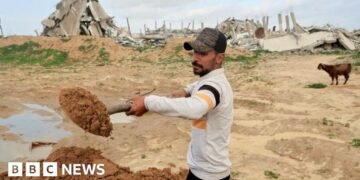
As these developments unfold, Gaza’s humanitarian situation remains dire. Although more aid has been permitted since the ceasefire, agencies assert that it is insufficient to meet the pressing needs of the population. Many residents are still without homes, living in makeshift shelters amid harsh weather conditions. Severe flooding and collapsing infrastructure have only exacerbated the crisis, leaving primary educational needs unmet for a vast majority of children.
Context & Previous Events
Phase two builds on the initial goal of establishing a framework for peace that began with Trump’s announcement last October, aiming to reshape the governance and security dynamics of Gaza. Hamas has dominated the region since winning elections two decades ago, complicating any dialogue around its future role in governance, particularly in light of proposals that heavily involve foreign oversight.