






















As Uganda heads to the polls for the seventh consecutive time under President Yoweri Museveni, the country finds itself in a state of heightened tension. The lead-up to the election has been marked by an unprecedented internet blackout and a surge in political repression against opposition figures and human rights organizations.
Why It Matters
This election represents a crucial moment for Uganda, where over 70% of the population is under 30 years old. The younger electorate is increasingly seeking change, echoing calls for reform that could challenge Museveni’s four-decade-long hold on power. The current environment, characterized by media suppression and political suppression, raises significant concerns for democratic processes in the country.
Key Developments
- A nationwide internet shutdown has marginalized the capital, Kampala, limiting access to information.
- President Museveni asserts that the internet suspension is a temporary measure to combat criminal elements threatening stability.
- Museveni, who has inched closer to the 40-year mark in power, argues that his continued leadership is essential for national progress, citing economic growth.
- Opposition leader Bobi Wine’s political party reports over 300 arrests of their supporters leading up to the election, alleging state-sponsored violence.
- Museveni’s comments on LGBTQ+ issues reveal a hardened stance against perceived Western pressure.
Full Report
Election Tension and Internet Blackout
A church service at Nakasero State House provided a reflective moment for supporters of President Museveni as they awaited his arrival. This serene setting starkly contrasts with the tense political landscape outside, where a country-wide internet blackout has shifted Kampala into an isolated state. The government claims the shutdown is designed to prevent criminal activities orchestrated during the tense electoral period.
Museveni’s Stance on Leadership
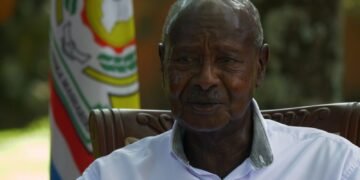
In an exclusive interview, President Museveni, now 81 years old, defended his longevity in office. “If you are serious about your country, why would you not want to take advantage of me if I am still able?” he posed, arguing that his experience equips him to address national challenges. As he seeks an additional five years in office, Museveni points to significant economic improvements, claiming the GDP has surged from $3.9 billion to nearly $70 billion since he took office.
Opposition Crackdown
However, the opposition’s struggle has been fierce, with significant crackdowns on activists and supporters. Bobi Wine, a musician turned politician who is popular among younger voters, has faced aggressive state-sponsored repression since 2018. His party reports hundreds of arrests in a climate they describe as hostile to dissent. Museveni justifies these actions, asserting that violations of law are the cause of confrontation with the opposition.
His Government and Changing Times
Despite Museveni’s past criticisms of leaders who overstay their welcome, he maintains that he is in power because the people want it that way. Reflecting on historical alliances, he describes a need to engage older and younger generations in his administration. Yet with a demographic largely disconnected from the early conflicts that shaped Uganda, many are calling for a new direction.
Context & Previous Events
President Museveni has been in power since January 1986, when he led a successful rebellion against former Prime Minister Milton Obote. Amendments to the constitution in 2005 and 2018 lifted term limits, allowing him to extend his presidency. The past few election cycles have seen accusations of electoral rigging and violence, with the 2021 election labeled one of Uganda’s most violent elections to date.






