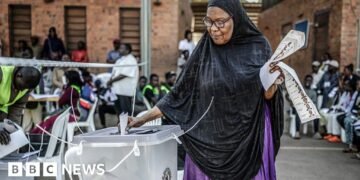























Polling stations across Uganda faced significant disruptions as voters attempted to participate in the presidential and parliamentary elections. More than 21 million Ugandans had registered to vote, yet widespread logistical issues, compounded by an internet blackout, hindered the election process.
The situation has raised questions about the integrity of Uganda’s democratic practices and the implications for stability in a nation where nearly four decades of rule by President Yoweri Museveni have effectively shaped the political landscape.
Key Developments
- Polling stations opened late in the capital, Kampala, with reports of malfunctioning biometric identification machines.
- Voters expressed frustration as some polling stations were still closed one hour after voting was scheduled to begin.
- The election is perceived as a tightly contested race between incumbent President Museveni and pop star-turned-politician Bobi Wine.
- Internet access was suspended prior to the election, prompting condemnation from human rights advocates.
- Security has been tightened in Kampala amidst concerns about potential violence during the voting period.
Full Report
Voting Delays and Equipment Malfunctions
Polling stations in Kampalan experienced delays, with officials citing logistic failures as the cause. At least five polling locations were noted to not have opened on time, causing unrest among voters. “Some biometric machines are not working. I don’t know if it’s the internet,” remarked a ruling party official to AFP.
Voters reported arriving early only to find that essential voting equipment had not yet arrived, leading to growing frustration. Electoral officials have yet to address these delays, which are impacting stations across both pro-government and pro-opposition areas.
Internet Blackout and Allegations of Fraud
As part of preemptive measures, Uganda’s Communications Commission enforced an internet shutdown on election day, arguing it was necessary to prevent misinformation and potential violence. However, this move has drawn sharp criticism from the United Nations and civil rights groups, who label it a tactic to suppress opposition activities.
Bobi Wine’s National Unity Platform (NUP) party has condemned the blackout as an attempt to silence their mobilization efforts and to impede the sharing of evidence regarding alleged electoral fraud.
Increased Security Measures
Across Kampala, a heightened security presence was evident, with armored vehicles stationed at various locations and police conducting patrols. This surge in security has led some residents to flee to rural areas, seeking a safer environment during the election process. “Because Ugandan elections are often violent, I decided to re-register my polling centre in my home village,” one voter shared, expressing concerns about the intimidating security atmosphere.
Election Context
Yoweri Museveni, 81, is running for his seventh consecutive term, having maintained power for nearly four decades. While he argues he is essential for the country’s stability, his main opponent, Bobi Wine, has criticized the regime’s handling of corruption and called for sweeping reforms. Historical grievances include previous elections marred by violence, with security forces being implicated in suppressing opposition rallies.
The electoral commission has set a timeline for the polls to close at 16:00 local time, asserting that all voters in line will still be permitted to cast their ballots. Results from the presidential election are anticipated to be announced by Saturday, prompting vigilance as the nation awaits the outcome.
Context & Previous Events
Political tensions in Uganda have been exacerbated by issues surrounding election integrity and human rights abuses during previous election cycles. The 2021 elections were particularly contentious, with Bobi Wine alleging fraud after securing 35% of the vote against Museveni’s 59%. Both local and international entities have raised concerns about the erosion of democratic practices and threats to electoral officials who resist pressure to manipulate electoral outcomes.