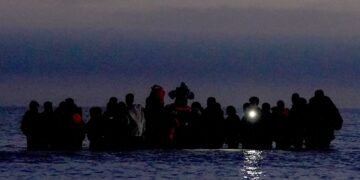























Ten British Far-Right Activists Banned from France Amid Migrant Boat Controversy
The French government has imposed entry bans on ten British far-right activists linked to reconnaissance operations targeting small boats used by migrants crossing the English Channel. These developments have raised questions surrounding the escalating tensions in the region and the ongoing debate about migration policies.
Why It Matters
The actions taken by France highlight the growing concerns over organized movements attempting to intervene in migrant crossings, reflecting broader issues of immigration and border control in Europe. As political sentiments around migration become increasingly polarized, the implications of such activist efforts could provoke further confrontations at frontiers, impacting both local communities and national policies.
Key Developments
- The French Interior Ministry announced that the ten individuals, part of the group Raise the Colours, are now banned from entering France.
- The ministry accused these activists of engaging in reconnaissance and destruction activities targeting boats used by migrants.
- Raise the Colours claimed they have not received formal notification regarding the bans and emphasized their commitment to non-violent and lawful activities.
- The banned activists reportedly participated in operations in the Nord and Pas-de-Calais regions in December.
- The group allegedly posted videos online showing the destruction of inflatable boats, claiming their intent to stop illegal migrant crossings.
Full Report
Activist Actions and Government Response
The French Interior Ministry labeled the ten individuals as far-right activists involved in efforts aimed at disrupting migrant crossings. According to the ministry, their activities included reconnaissance missions and propaganda intended to rally British support for the movement. The group reportedly gained attention by displaying the Union Flag and St George’s flag along the French coast.
Videos shared by Raise the Colours on social media included footage of boat destruction, accompanied by messages asserting their stance on stopping migrant crossings. Although the group’s videos hinted at activities on French soil, the accuracy of the locations could not be verified.
In response to the bans, Raise the Colours stated that they had not received formal communication from the French authorities detailing the administrative measures. They emphasized their commitment to peaceful and legal advocacy, asserting that any actions taken by individuals associated with them are done independently and without organizational endorsement.
Statements from Raise the Colours
Raise the Colours reiterated that their actions are intended to expose realities surrounding illegal crossings and should remain within legal frameworks. They expressed respect for national governments’ authority to maintain public order and asserted their commitment to responsible activism.
Context & Previous Events
The group Raise the Colours first attracted media attention last summer as part of a wider collective aimed at elevating national symbols during events where such displays are uncommon. Their current activities, however, have stirred significant controversy amid heightened scrutiny of immigration policies in Europe.
As small boat crossings continue to be a contentious issue, the rising actions of activist groups seeking to intercept these movements prompt additional dialogue about the balance between public safety, legal advocacy, and humanitarian considerations.