






















Protests in Iran Lead to Over 2,000 Deaths Amid Violent Crackdown
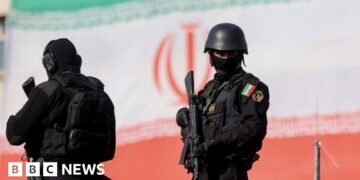
Armed security forces were deployed at a pro-government rally in Tehran as protests continue to escalate throughout Iran, where over 2,000 people have reportedly been killed during a violent crackdown on dissent. This alarming situation has drawn international attention, with U.S. President Trump voicing support for the Iranian people.
Why It Matters
The ongoing unrest represents one of the most significant challenges to Iran’s clerical regime since the 1979 Islamic Revolution. As protests, sparked by economic issues and calls for political reform, have spread to over 180 cities, the brutal response from the Iranian government has raised concerns about human rights and the implications for regional stability.
Key Developments
- Human Rights Activists News Agency (HRANA) confirms at least 2,003 deaths, including protesters and uninvolved civilians, since protests began 17 days ago.
- President Trump pledged U.S. support for the protesters and warned Iranian authorities of consequences for their actions.
- Reports indicate severe overcrowding in hospitals treating the injured, described as warzones by medical professionals.
- Iranian authorities continue to label the protests as actions of "terrorists" while announcing severe measures, including expedited death penalties for participants.
- International leaders, including UK Foreign Secretary Yvette Cooper, have condemned the violence and summoned Iranian officials for discussions.
Full Report
Details of the Crackdown
According to the U.S.-based HRANA, the death toll from the violent crackdown has reached at least 2,003 individuals, while another human rights organization has confirmed at least 734 additional fatalities. The reports highlight the challenge of obtaining accurate figures due to internet blackouts and restrictions on communication. Videos emerging from mortuaries in Tehran depict numerous bodies, underscoring the scale of the violence against protesters.
International Response
President Trump took to social media to assure Iranian citizens that the United States stands with them. He called for continued protests, stating that authorities would “pay a big price” for their actions. Sources indicate that Trump’s national security team is considering various military and covert responses to the situation. Additionally, the Iranian Foreign Minister emphasized the government’s willingness for dialogue while simultaneously accusing foreign influences of stoking unrest.
Conditions on the Ground
Reports from Iran depict dire circumstances in hospitals overwhelmed by casualties. Medical professionals describe conditions as akin to warzones, struggling to provide care amidst shortages of supplies. Eyewitness accounts from citizens reveal widespread destruction and violence, with a resident from Rasht noting that "everywhere is burnt with fire."
Legal Repercussions
The Iranian judiciary has signaled a tough stance against the protests, with plans to expedite trials for those deemed participants in the unrest. Accusations of "enmity against God" could lead to the death penalty for some individuals, with one prisoner reportedly already sentenced to execution in an unusually swift judicial process.
Context & Previous Events
The current wave of protests in Iran stemmed from economic grievances, including the collapse of the national currency and soaring living costs. These factors have sparked widespread discontent, growing into calls for comprehensive political reform. Historically, such protests reflect deep-rooted issues within the regime, which has faced internal and external pressures since the 1979 revolution led to the establishment of the Islamic Republic. As the unrest progresses, the government’s increasingly violent responses raise critical questions about human rights and the potential for international intervention.